TNFD Explained: Understanding Nature-Related Risks for Businesses
Nature Risk Is No Longer External
For a long time, environmental concerns were treated as external to business performance—important, but not directly linked to financial outcomes. That distinction is rapidly disappearing. Today, water scarcity disrupts industrial operations, biodiversity loss weakens agricultural productivity, and climate-driven hazards damage infrastructure and supply chains. What was once considered “environmental impact” is now a measurable business risk.
Yet, despite this growing exposure, most organisations still lack a structured way to identify, measure, and respond to nature-related risks. This gap between impact and understanding is precisely what the Taskforce on Nature-related Financial Disclosures (TNFD) is designed to address.
What is TNFD and Why It Matters
TNFD is a global framework that helps organisations understand risks and opportunities linked to nature, including biodiversity, ecosystems, land, water, and natural resources. It builds on the foundation established by the Task Force on Climate-related Financial Disclosures (TCFD), which helped businesses recognise climate risk as a financial consideration rather than a purely environmental issue.
The relationship between TCFD and TNFD is important because climate and nature risks are deeply interconnected. Climate change can intensify droughts, floods, and ecosystem stress, while degraded ecosystems can reduce resilience to those same climate impacts. Similarly, land-use change can increase environmental vulnerability, affecting both ecological stability and business operations.
TNFD also complements existing reporting frameworks such as the GHG Protocol. While emissions accounting helps organisations understand their carbon footprint, TNFD focuses on how nature-related dependencies and ecosystem conditions influence operational performance, supply-chain resilience, regulatory exposure, and long-term business continuity.
Why Traditional ESG Approaches Are Not Enough

Many ESG reports provide valuable disclosures, but they do not always explain how environmental risks affect specific assets, locations, and operational decisions. Organisations may report environmental commitments at a corporate level while lacking visibility into which facilities face water stress, biodiversity sensitivity, land degradation, or climate-related exposure.
Nature-related risks are particularly challenging because they depend heavily on geography, ecosystem condition, and local environmental dynamics. Two facilities operating within the same sector may face entirely different risk profiles due to differences in habitat condition, water availability, climate patterns, or surrounding land-use pressure.
For businesses, this means ESG reporting must evolve beyond disclosure alone. Environmental data becomes more valuable when it helps organisations understand how ecological change may influence operational continuity, cost structures, regulatory obligations, investment planning, and long-term resilience.
Understanding the TNFD LEAP Approach
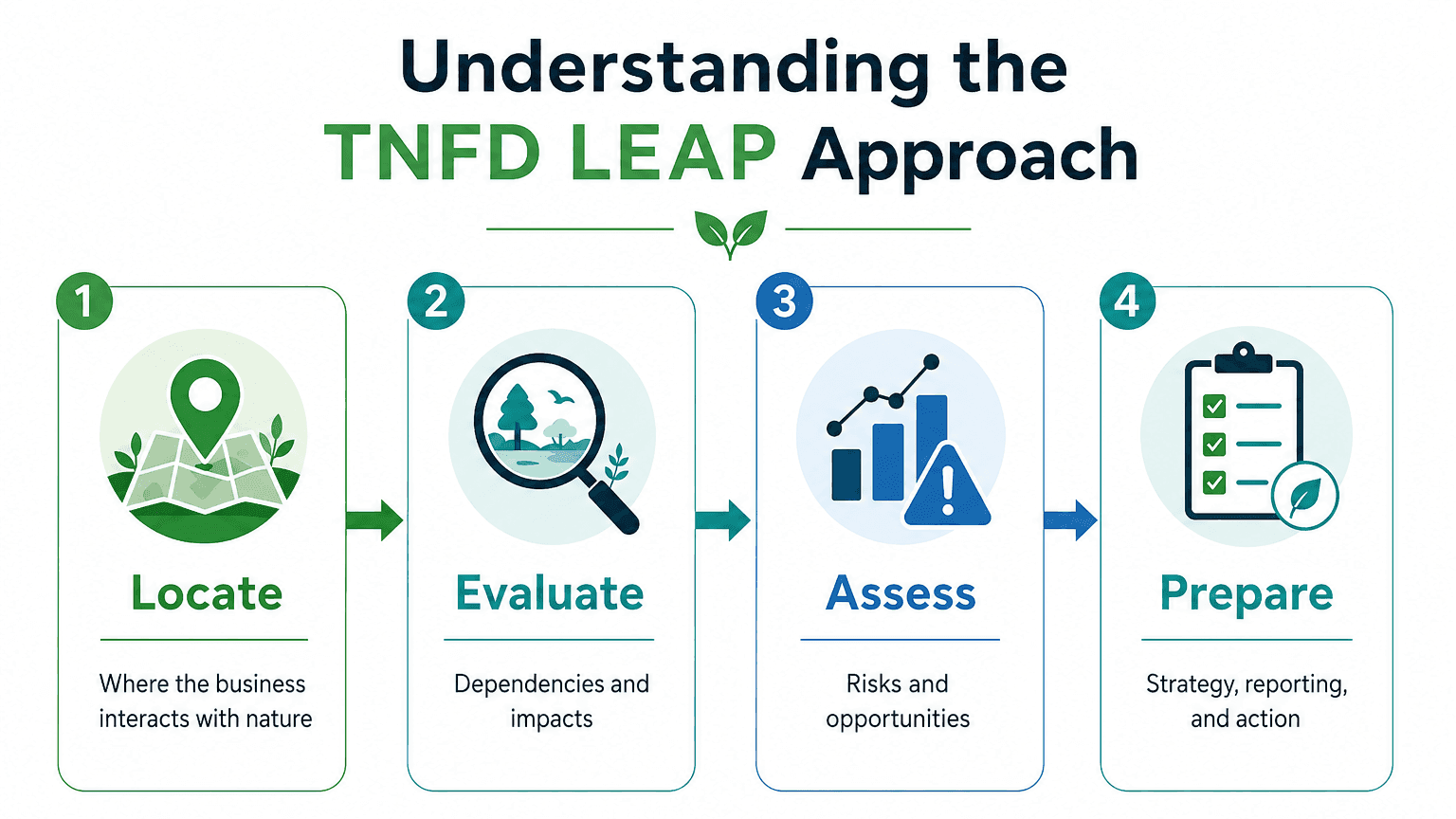
TNFD introduces the LEAP approach to help organisations assess nature-related risks in a structured way. It provides a practical sequence for moving from identification to action.
- Locate → Identify where operations, assets, and supply chains interact with nature
- Evaluate → Understand dependencies and impacts related to ecosystems, biodiversity, water, and land use
- Assess → Analyse how these interactions create risks and opportunities
- Prepare → Integrate findings into governance, strategy, reporting, and risk management
This structure is useful because it forces organisations to begin with location. Nature-related risk cannot be understood only from a boardroom or corporate dashboard. It must be mapped against actual sites, landscapes, and operational dependencies.
A manufacturing unit dependent on groundwater, a solar farm located near sensitive habitat, and an agroforestry project spread across degraded land will each require a different risk lens. LEAP helps companies organise this complexity into a decision-making process.
The Execution Challenge
While TNFD provides a strong framework, implementation remains one of the biggest challenges for organisations. The issue is rarely a lack of commitment. More often, it is the absence of reliable, site-level environmental intelligence that can support decision-making.

Many organisations already have sustainability reports, climate datasets, or periodic biodiversity assessments. However, they often lack continuous indicators that show how environmental conditions are changing around specific assets and operations. Information on local heat exposure, water stress, habitat condition, species activity, or ecosystem degradation may be incomplete or unavailable.
This gap becomes increasingly important because environmental conditions are dynamic rather than static. A site that appears resilient today may become vulnerable over time due to changing land use, ecosystem decline, or increasing climate stress.
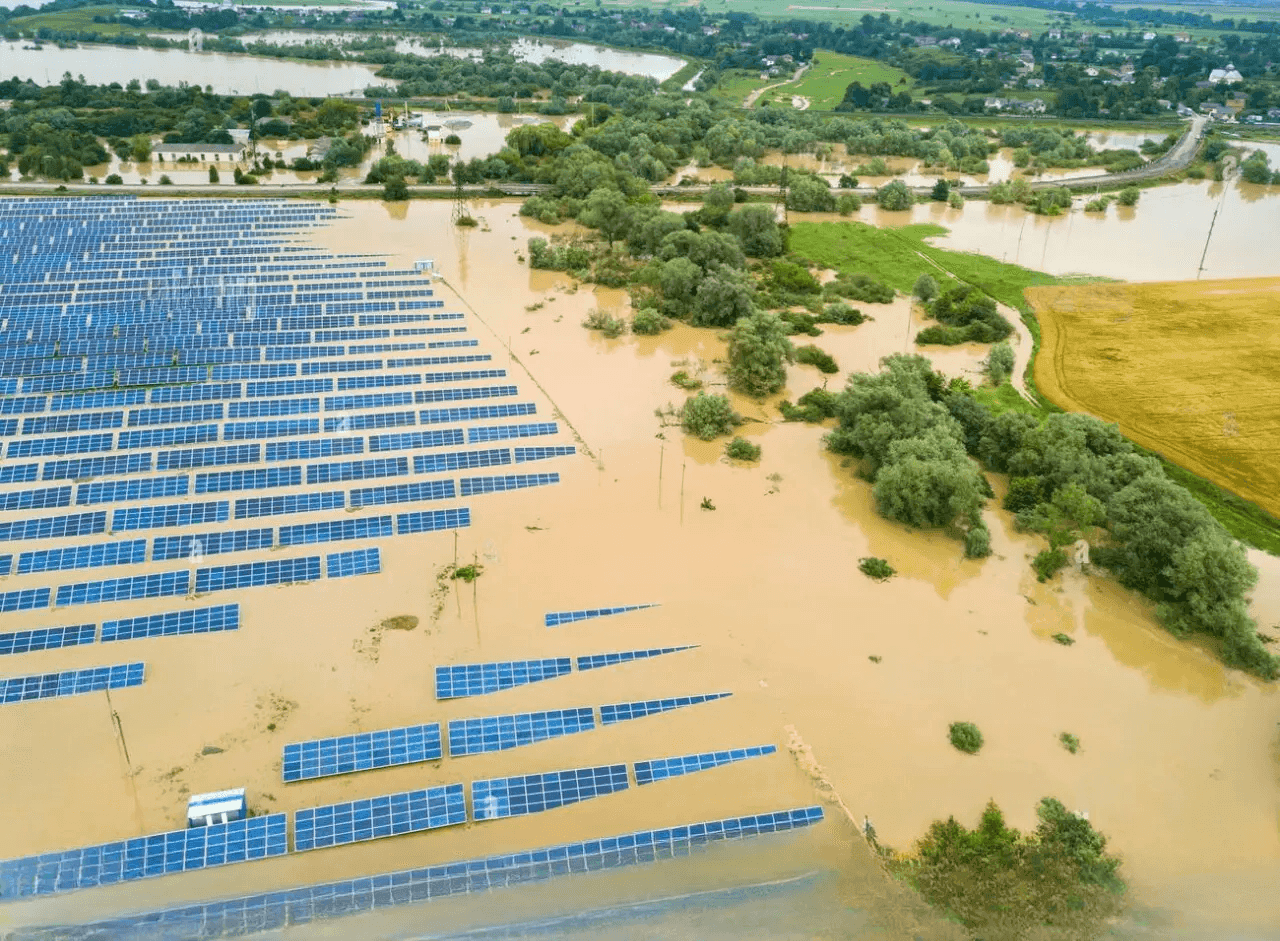
For example, a utility-scale solar project may initially be selected based on irradiance, land availability, and economic feasibility. However, if future flood exposure, biodiversity sensitivity, or long-term heat stress are not assessed, the project may face operational disruption, higher maintenance costs, or regulatory challenges later. Effective TNFD implementation therefore requires more than reporting frameworks. It requires continuous monitoring systems capable of connecting environmental change with business decisions.
The Darukaa Perspective
At Darukaa, TNFD is viewed as more than a disclosure framework. Its real value lies in helping organisations transform nature-related risks into measurable, location-specific intelligence that can support operational and strategic decision-making. The focus is not only on reporting environmental conditions, but also on understanding how ecosystem change influences business resilience, asset performance, and long-term sustainability outcomes.
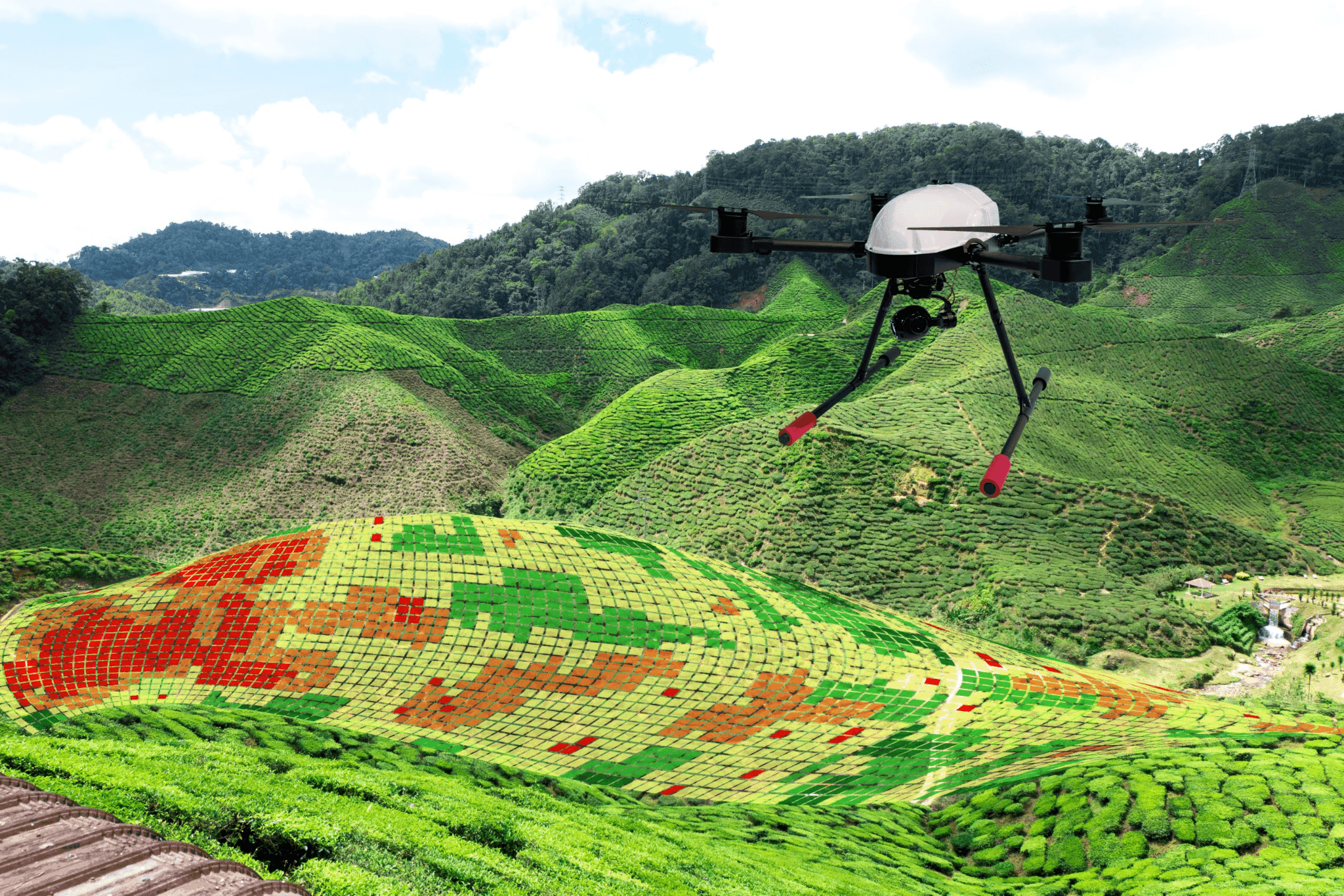
Darukaa integrates multiple layers of environmental data into a unified intelligence system. Remote sensing provides visibility into vegetation health, land-use change, habitat condition, and landscape-level environmental change. Geospatial intelligence helps map how these conditions vary across specific sites and surrounding ecosystems.
Bioacoustic monitoring adds another layer by capturing species activity through ecosystem soundscapes. This allows biodiversity to be measured through direct signals rather than only through periodic field observations. Environmental sensors and time-series climate data help track how exposure to heat, flood, drought, and other risks changes over time.
Together, these layers create a continuously updated view of ecosystem condition, biodiversity trends, and climate vulnerability. This strengthens MRV processes by making environmental data more measurable, traceable, and audit-ready.
For businesses, this means nature-related data is not just collected for reports. It becomes part of operational planning, risk prioritisation, and long-term asset management.
Translating Nature Signals into Financial Risk
TNFD is important because it connects environmental change with financial materiality. A nature-related issue becomes actionable when a business can understand how it affects performance, cost, and resilience.
The flow is simple:
Environmental change → Operational disruption → Financial impact
If ecosystem degradation reduces water availability, a facility may face production constraints. If flood exposure increases, infrastructure may require higher maintenance or insurance. If biodiversity sensitivity is ignored, a project may face approval delays or reputational risk.
Darukaa helps translate these environmental signals into business indicators such as Site Risk Score, Productivity Value at Risk, and Asset Damage Value at Risk. These metrics help companies understand where risks are concentrated, which sites require intervention, and how environmental change may affect long-term value.
What This Looks Like in Practice
In renewable energy, TNFD-aligned intelligence can improve project planning. A solar project may look attractive based on sunlight and land cost, but deeper analysis may reveal heat stress, habitat sensitivity, or future flood exposure. These insights can influence design, maintenance planning, and mitigation measures.
In industrial operations, nature-related risk may appear through water dependency, land degradation, or exposure to extreme weather. A facility in a water-stressed region may need alternative water strategies, efficiency upgrades, or resilience planning to avoid future disruption.
In restoration and agroforestry projects, TNFD shifts the focus from activity to outcome. Instead of only reporting the number of trees planted, organisations can monitor species activity, habitat quality, soil conditions, and ecosystem stability over time.
This changes the conversation from “what was done” to “what changed because of it.”
Why TNFD Adoption Will Accelerate
The momentum behind TNFD is being driven by a combination of regulatory evolution and investor expectations. Frameworks such as Business Responsibility and Sustainability Reporting (BRSR) are already expanding to include more detailed environmental disclosures, while global investors are increasingly demanding transparency around nature-related risks.
As capital flows become more aligned with sustainability performance, organisations will be expected to provide not just disclosures, but credible, verifiable, and comparable data. TNFD is emerging as the standard that enables this shift.
From ESG Reporting to Decision Intelligence
The broader shift is from ESG reporting to decision intelligence. Environmental data should not sit only in annual reports. It should inform how companies choose sites, design projects, manage assets, and allocate capital.
The decision loop looks like this:
Data → Signal → Risk → Decision → Outcome → Feedback
Monitoring generates signals. Signals reveal risks. Risks guide decisions. Decisions produce outcomes. Outcomes are monitored again to improve future action.
This is where TNFD becomes more than a disclosure framework. It becomes part of how businesses understand resilience, value, and long-term performance in a nature-dependent economy.
FAQs
1. What is TNFD in simple terms?
TNFD is a global framework that helps businesses identify, assess, and disclose risks related to nature, including biodiversity, water, and ecosystems.
2. Why is TNFD important for companies?
TNFD helps companies understand how nature impacts their operations and financial performance, enabling better risk management and investor transparency.
3. How is TNFD different from ESG reporting?
While ESG focuses on broad disclosures, TNFD provides a structured approach to identify and manage nature-related risks at a more detailed, actionable level.
4. What are nature-related risks in TNFD?
Nature-related risks include impacts from biodiversity loss, water scarcity, land degradation, and climate hazards that affect business operations.
5. What is the LEAP approach in TNFD?
LEAP stands for Locate, Evaluate, Assess, and Prepare, guiding companies to identify nature interactions and turn them into actionable strategies.
6. Is TNFD mandatory for businesses?
TNFD is currently voluntary, but it is expected to shape future regulations and become a key requirement for investors and global reporting standards.
7. How does TNFD impact financial decision-making?
TNFD helps translate environmental risks into financial impacts, allowing businesses to assess exposure, plan mitigation, and improve resilience.
8. What industries are most affected by TNFD?
Industries like energy, infrastructure, agriculture, and manufacturing are highly affected due to their direct dependence on natural resources.
9. How can companies implement TNFD effectively?
Companies can implement TNFD by using site-level data, integrating climate and biodiversity insights, and adopting continuous monitoring systems.
10. How does Darukaa support TNFD implementation?
Darukaa provides site-level climate, biodiversity, and ecosystem intelligence, helping businesses convert nature data into measurable risk and actionable insights.