Modern Wildlife Monitoring: Combining Sensors, AI, and Field Data
From Observation to Evidence
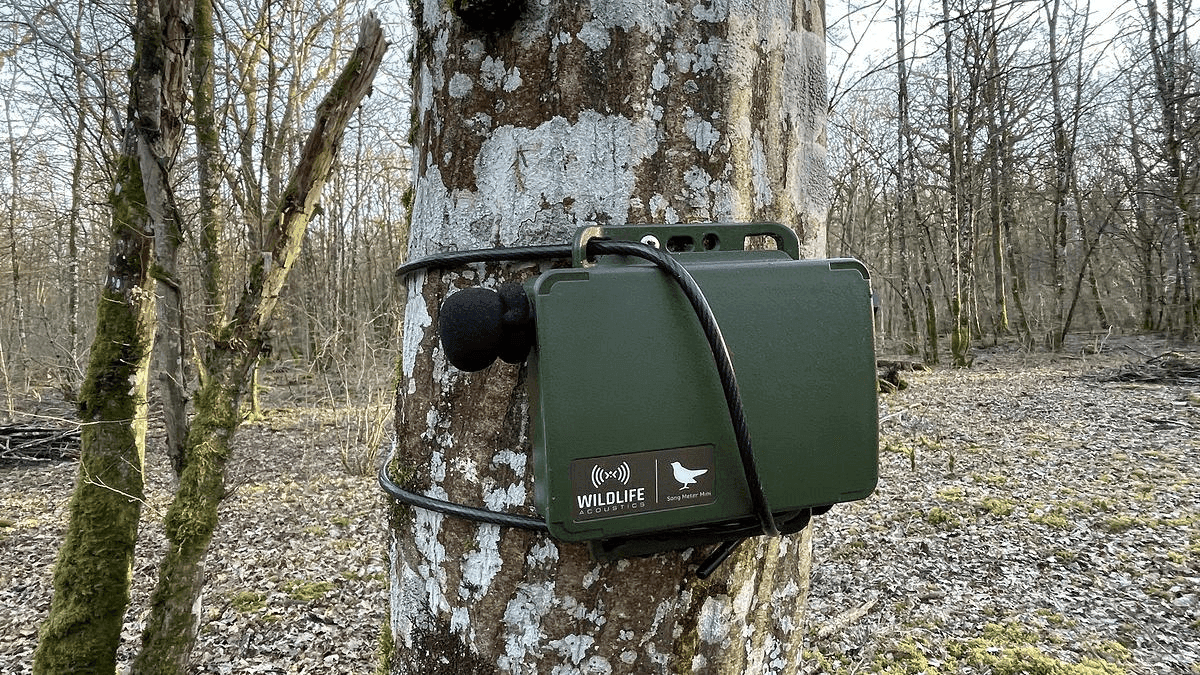
Wildlife monitoring has traditionally depended on direct observation, field surveys, camera traps, and ecological expertise. These methods have been foundational to conservation science, helping researchers understand species presence, behaviour, population trends, and ecosystem change.
However, biodiversity monitoring is no longer only about documenting what exists. It is increasingly about proving whether conservation, restoration, and land management activities are producing measurable environmental outcomes. Businesses, conservation organisations, and investors now need evidence that ecosystems are improving, species activity is changing, and biodiversity interventions are creating real impact.
Ecosystems are also changing faster than traditional monitoring cycles can capture. Climate variability, land-use change, habitat fragmentation, and human activity are altering species movement and ecosystem behaviour. Global assessments from the Intergovernmental Science-Policy Platform on Biodiversity and Ecosystem Services show that biodiversity loss is accelerating, making continuous and reliable monitoring more important.
This is why wildlife monitoring is moving from observation to evidence. The goal is not only to see wildlife, but to generate measurable, verifiable, and decision-ready biodiversity data.
Why Traditional Monitoring Falls Short
Traditional monitoring methods remain important, but they have limits when applied across large landscapes or long project timelines. Field surveys are often conducted during specific seasons or fixed monitoring windows. This creates gaps in understanding because species activity changes across time, weather, seasons, and habitat conditions.
A field survey may record species presence during one visit, but it may miss nocturnal species, seasonal calls, migration patterns, or changes after a climate event. Similarly, camera traps can capture useful evidence but may not provide a full picture of habitat quality or broader ecosystem dynamics.
The challenge is not that traditional methods are weak. The challenge is that they are difficult to scale and repeat frequently. As biodiversity monitoring becomes linked to restoration claims, biodiversity credits, ESG reporting, and nature-related risk assessment, organisations need systems that are more continuous, comparable, and audit-ready.
The Role of Sensors in Modern Monitoring
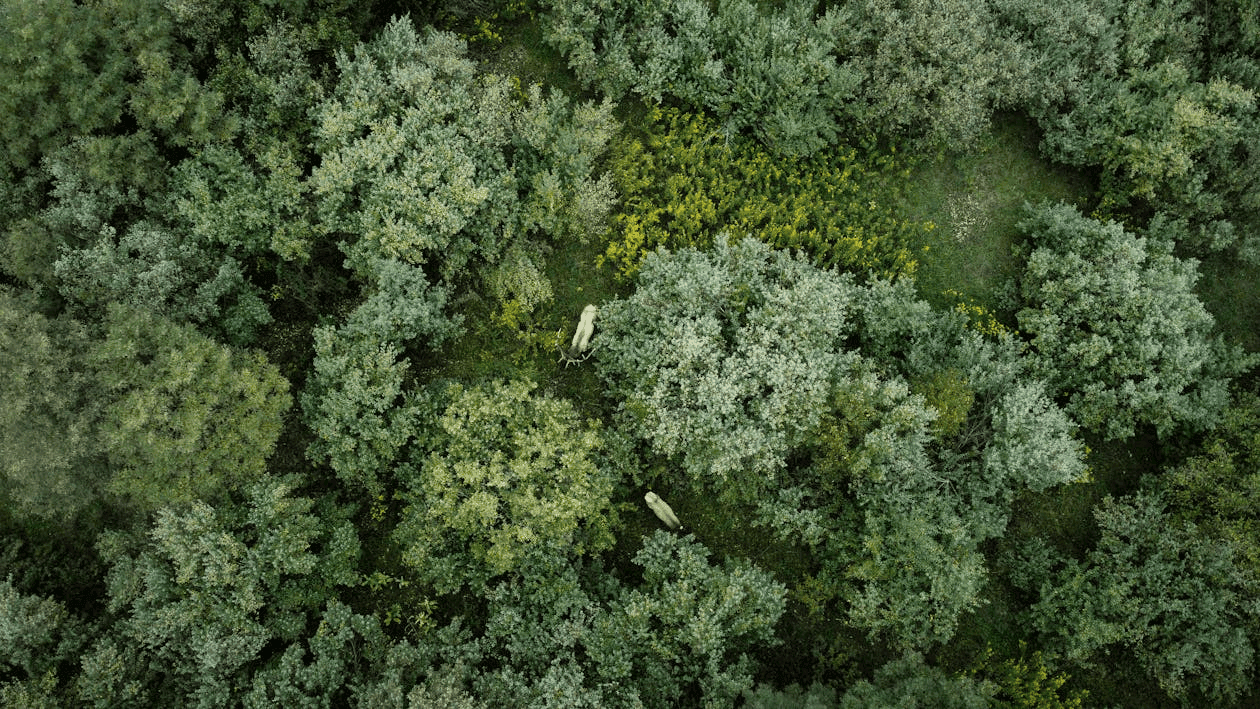
Sensor-based monitoring is transforming how ecological information is collected by enabling continuous observation rather than relying solely on periodic field surveys. Instead of capturing isolated snapshots of biodiversity, sensors provide an ongoing record of ecosystem activity, making it possible to detect changes that may otherwise go unnoticed.
Acoustic sensors are particularly valuable because they record ecosystem soundscapes and help detect species that are difficult to observe directly. Birds, insects, amphibians, and many mammals produce distinctive acoustic signatures that reveal species presence, activity patterns, and behavioural changes across different times of the day and seasons.
Research institutions such as the Cornell Lab of Ornithology have demonstrated how bioacoustics can support biodiversity monitoring at scale. Combined with environmental sensors measuring variables such as temperature, humidity, and soil conditions, these systems create a richer understanding of ecosystem health.
Sensor-based monitoring can generate indicators such as:
- Acoustic diversity, reflecting the complexity of ecosystem soundscapes
- Species activity metrics, showing the frequency and timing of detected calls
- Habitat condition indicators, derived from environmental measurements such as humidity, temperature, and soil conditions
Together, these indicators move biodiversity monitoring beyond simple observation toward measurable ecological evidence.
Artificial Intelligence and Data Processing
Modern biodiversity monitoring generates vast volumes of information from acoustic sensors, camera traps, satellite imagery, and environmental monitoring systems. Processing these datasets manually is often impractical, particularly across large landscapes or long-term monitoring programmes.
Artificial intelligence helps convert these diverse data streams into meaningful ecological insights. Machine learning models can identify species from acoustic signatures, classify camera-trap images, detect habitat changes, and analyse ecological trends across large datasets. Research published in Nature has demonstrated how AI is improving both the scalability and accuracy of biodiversity monitoring.
However, AI does not replace ecological expertise. Automated detections still require validation, uncertainty assessment, and ecological interpretation. For example, an algorithm may identify a bird call with high confidence, but ecologists are needed to confirm whether that detection is consistent with local habitat conditions and known species distributions.
This combination of AI and ecological expertise is particularly important because biodiversity data increasingly supports ESG reporting, biodiversity credits, conservation planning, and investment decisions. Monitoring systems therefore need to produce outputs that are transparent, scientifically robust, and readily verifiable.

Role of Geospatial Intelligence in Wildlife Monitoring
Wildlife monitoring becomes far more powerful when species data is connected to location and landscape context. This is where geospatial intelligence plays a critical role.
Geospatial intelligence helps map habitats, land-use patterns, vegetation health, ecosystem fragmentation, and proximity to risks such as roads, industrial activity, or degraded land. Satellite platforms such as NASA Earth Observation provide landscape-level data that can be used to understand how habitats are changing over time.
For example, species activity detected through acoustic sensors becomes more meaningful when linked to habitat quality, canopy cover, water availability, or fragmentation patterns. A decline in species activity may be connected to habitat disturbance, vegetation stress, or land-use change in the surrounding area.
This creates landscape-scale biodiversity intelligence. It allows organisations to understand not only whether species are present, but how ecological conditions around them are changing. It also supports site-level ecosystem monitoring, which is essential for conservation planning, biodiversity impact assessments, and nature-related risk management.
Integrating Field Data with Digital Systems
Despite advances in sensors, artificial intelligence, and satellite analytics, field observations remain fundamental to biodiversity monitoring. Ground-based assessments provide ecological context and help verify whether digitally detected signals accurately represent real environmental conditions.
The greatest value comes from integrating these complementary sources of information into a unified monitoring framework. Rather than treating field surveys and digital technologies as separate approaches, organisations can combine them to build a more comprehensive understanding of ecosystem dynamics.
An integrated monitoring system may include:
- Field surveys for ecological validation and species confirmation
- Acoustic sensors for continuous monitoring of wildlife activity
- Satellite imagery for habitat condition and land-use assessment
- AI models for species recognition and large-scale pattern analysis
- Environmental sensors for tracking habitat conditions such as temperature and humidity
This integrated approach transforms individual observations into traceable biodiversity records, measurable ecological indicators, and audit-ready datasets. It also strengthens conservation planning, ecosystem risk assessment, resilience strategies, biodiversity impact assessments, and nature-related reporting.
Digital MRV for Biodiversity Monitoring
As biodiversity data becomes linked to credits, ESG reporting, and nature-related disclosures, monitoring systems must create measurable and verifiable evidence. Digital MRV supports this by using acoustic records, species detections, satellite observations, habitat maps, field validation, and time-series data.
Instead of relying only on periodic reports, digital MRV builds a traceable evidence trail showing whether biodiversity outcomes are improving, declining, or remaining stable.
This helps shift biodiversity monitoring from narrative reporting to audit-ready validation.
The Darukaa Perspective
At Darukaa, wildlife monitoring is viewed as more than a biodiversity observation process. It functions as an integrated environmental intelligence system designed to understand how ecosystems respond to environmental change over time.
Darukaa combines bioacoustic monitoring, environmental sensors, satellite analytics, geospatial intelligence, and field validation within a unified analytical framework. Acoustic monitoring captures species activity across daily and seasonal cycles, while satellite imagery and geospatial analysis evaluate habitat quality, vegetation health, landscape fragmentation, and land-use change. Field observations provide ecological validation and improve confidence in monitoring outputs.
This integrated system supports continuous time-series analysis, enabling organisations to identify long-term changes in species activity, ecosystem health, habitat quality, and environmental conditions rather than relying solely on periodic surveys.
Importantly, biodiversity intelligence is analysed alongside climate and ecosystem information because wildlife does not respond to ecological pressures in isolation. Climate variability, habitat fragmentation, vegetation condition, and land-use change all influence biodiversity outcomes.
The result is a continuously evolving environmental intelligence system that supports biodiversity monitoring, conservation planning, ESG reporting, nature-related risk assessment, and evidence-based decision-making.
From Monitoring to Measurable Outcomes
One of the greatest challenges in biodiversity projects is demonstrating measurable impact rather than simply documenting activities. Conservation initiatives need to show whether interventions are producing meaningful improvements in ecosystem health over time.
Modern monitoring systems support this by continuously tracking indicators such as species richness, acoustic diversity, habitat quality, ecosystem condition, and species activity patterns.
For example, a restored habitat may demonstrate increased bird-call diversity across multiple seasons, improved vegetation condition through satellite observations, and more stable environmental conditions measured by sensors. Together, these complementary datasets provide stronger evidence than any individual field survey conducted at a single point in time.
This integrated evidence creates traceable biodiversity records and audit-ready ecological datasets, enabling project developers, businesses, and investors to evaluate biodiversity outcomes with greater confidence.
Why Continuous Monitoring Matters
Periodic ecological surveys provide useful snapshots, but ecosystems are dynamic. A single survey cannot capture seasonal variation, nocturnal activity, behavioural shifts, or post-disturbance recovery.
Continuous monitoring creates a richer understanding of ecosystem change. It allows organisations to detect early signs of habitat degradation, declining species activity, or changing environmental conditions.
The difference is simple. Periodic surveys show what was observed at a specific time. Continuous intelligence systems show how the ecosystem is changing.
This is essential for scaling conservation, improving biodiversity impact assessments, and ensuring that ecological outcomes are sustained over time.
From Ecological Signals to Decision Intelligence
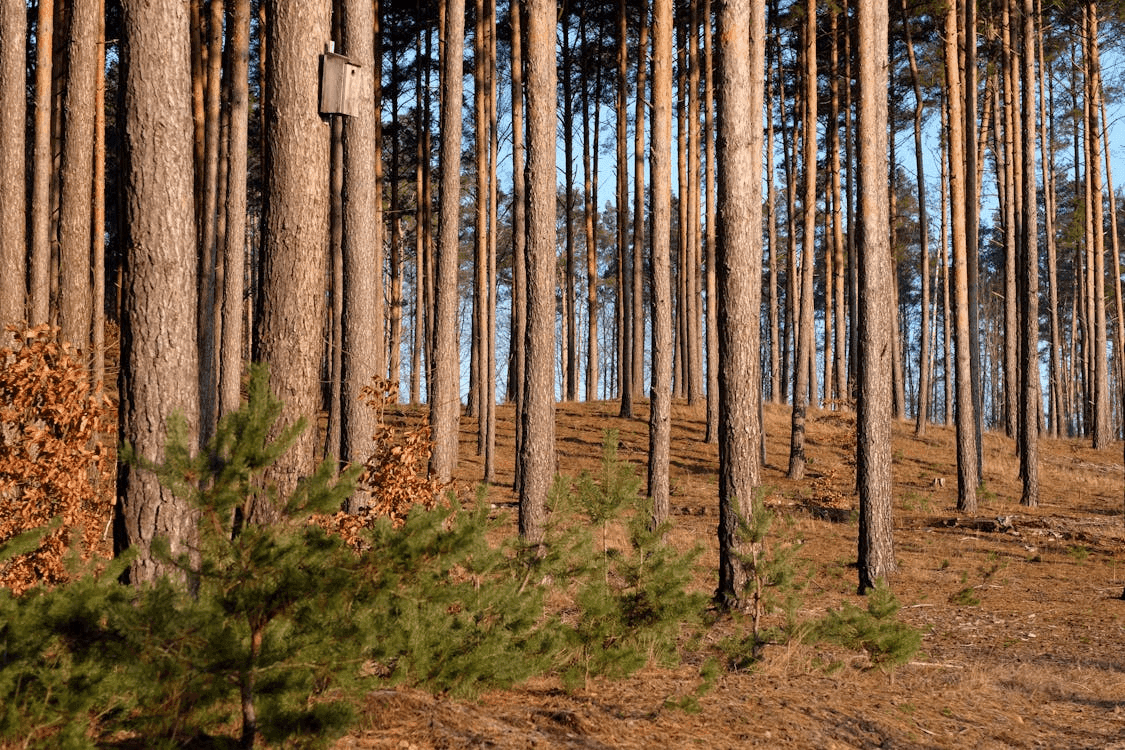
Wildlife monitoring creates the greatest value when ecological information supports practical decisions rather than remaining as observational data alone. Species activity, habitat condition, and environmental indicators can help organisations identify ecosystem risks, prioritise conservation actions, and evaluate whether interventions are achieving their intended outcomes.
For example, declining acoustic diversity combined with increasing habitat fragmentation may indicate ecosystem stress that requires restoration or habitat management. Conversely, improving species activity together with healthier vegetation and stable environmental conditions can provide evidence that conservation measures are producing positive ecological outcomes.
By translating ecological observations into measurable indicators of ecosystem condition and risk, wildlife monitoring becomes a practical decision-support system for biodiversity impact assessment, conservation planning, resilience strategies, and nature-related risk management.
Linking Monitoring to Business and Policy
Wildlife monitoring is no longer limited to conservation science. It is becoming relevant for infrastructure, energy, agriculture, real estate, and finance.
Companies need to understand how their operations affect biodiversity and how ecosystem decline may create risks. Investors are increasingly looking at nature-related risk, biodiversity exposure, and resilience-based investment decisions.
Modern monitoring systems provide the data needed for conservation prioritisation, ecosystem risk identification, biodiversity impact assessment, and long-term resilience planning.
This makes biodiversity monitoring a practical tool for both environmental outcomes and business strategy.
The Way Forward
Wildlife monitoring is entering a new phase where sensors, artificial intelligence, geospatial analytics, and ecological expertise are increasingly integrated into continuous environmental intelligence systems.
The future of biodiversity monitoring will depend not only on advances in technology, but also on how effectively these technologies are combined with scientific field validation and ecological knowledge. Continuous monitoring, integrated datasets, and transparent evidence will become increasingly important for conservation planning, biodiversity reporting, nature-related disclosures, and ecosystem risk assessment.
Ultimately, the value of modern wildlife monitoring lies in its ability to generate reliable ecological evidence that supports stronger conservation outcomes, more informed environmental decisions, and greater confidence in biodiversity reporting.
FAQs
1. What is modern wildlife monitoring?
Modern wildlife monitoring uses sensors, AI, and field data to track species and ecosystems continuously.
2. How do sensors help in wildlife monitoring?
Sensors collect real-time data on species activity and environmental conditions without human intervention.
3. What is bioacoustic monitoring?
Bioacoustic monitoring uses sound recordings to detect and analyse species presence and behaviour.
4. How is AI used in biodiversity monitoring?
AI processes large datasets to identify species, detect patterns, and analyse ecosystem changes efficiently.
5. Why is traditional wildlife monitoring limited?
It relies on manual surveys, which are time-consuming, intermittent, and difficult to scale.
6. What role does field data play?
Field data validates and supports sensor-based observations, ensuring accuracy and context.
7. Can wildlife monitoring be done continuously?
Yes, modern systems enable continuous monitoring using sensors and automated data processing.
8. How does wildlife monitoring support biodiversity credits?
It provides measurable and verifiable data needed to assess ecological impact and outcomes.
9. Why is wildlife monitoring important for businesses?
It helps businesses understand biodiversity impact, manage risks, and meet sustainability requirements.
10. How does Darukaa enable wildlife monitoring?
Darukaa integrates sensors, AI, and geospatial data to deliver continuous biodiversity intelligence.