Impact Assessment Beyond Compliance: Measuring Real Outcomes

In today’s landscape of ESG disclosures, CSR reporting, and sustainability dashboards, organisations have become increasingly effective at presenting impact through numbers and metrics. Trees planted, beneficiaries reached, emissions reduced, and water saved are commonly highlighted as indicators of progress. Yet an important question often remains unanswered: what meaningful change actually occurred over time?
This reflects a broader challenge within modern impact assessment. While measurement frameworks and reporting systems have become more structured, understanding long-term outcomes and sustained impact remains inconsistent. Reporting activity is not always the same as understanding transformation.
Why reporting impact is not the same as creating it
Impact assessment was never intended to function solely as a reporting mechanism. Its primary purpose has always been to evaluate whether an intervention created meaningful and lasting change within environmental or social systems.
Over time, however, that purpose has gradually shifted. In many contexts, impact is increasingly measured through outputs that are easier to quantify, communicate, and verify rather than through deeper long-term outcomes.
This distinction is central to understanding the limitations of compliance-driven reporting.
When impact becomes compliance

In many organisations, impact assessment has become closely linked to compliance requirements. CSR programs require reporting, and ESG disclosures depend on measurable indicators, and stakeholders increasingly expect visible metrics demonstrating progress.
As a result, impact is often framed around indicators that are straightforward to communicate and validate. This creates an important shift where impact measurement gradually becomes focused on demonstrating activity rather than understanding systemic change.
A plantation initiative may report the number of saplings planted, a sanitation program may report the number of toilets constructed, and a livelihood intervention may report the number of individuals trained. These metrics are not incorrect, but they capture only the initial layer of impact.
This reporting pattern has been widely documented across development programs, including evaluations supported by the World Bank, where outputs frequently receive greater emphasis because they are immediate and measurable.
Output, outcome, and impact represent different stages and should not be treated as the same.
The distinction between outputs, outcomes, and impact is widely recognised in theory but is often less clear in implementation.
- Planting trees is an output
- Tree survival and improved soil moisture are outcomes
- Long-term ecosystem restoration supporting biodiversity and climate stability represents impact
This distinction becomes particularly important when evaluating real-world interventions.
Large-scale afforestation initiatives in India under programs such as CAMPA have reported millions of saplings planted. However, independent studies have shown that ecological outcomes depend heavily on factors such as species selection, maintenance, survival rates, and local environmental conditions.
Similarly, improved cookstove programs implemented across Africa and Asia have distributed millions of units. While distribution metrics appear successful, long-term adoption has often depended on affordability, fuel access, and cultural acceptance. In many cases, sustained usage declined over time, reducing expected climate and health benefits.
The broader lesson remains consistent:
- Outputs can be delivered quickly
- Outcomes require continuity and adoption
- Impact must be evaluated over extended timeframes
What gets measured is not always what matters

The indicators selected within an assessment framework strongly influence what becomes visible and what remains overlooked.
When indicators are designed primarily around reporting convenience, they often fail to capture broader system-level dynamics. A watershed project, for example, may report increased storage capacity, but without understanding groundwater recharge, seasonal availability, or long-term agricultural dependence, the sustainability of the intervention remains uncertain.
Similarly:
- A biodiversity initiative may report plantation density without assessing species diversity or ecological balance
- A livelihood program may capture immediate income increases without evaluating resilience or long-term stability
The United Nations Development Programme has repeatedly highlighted the importance of outcome-oriented evaluation for this reason.
Impact cannot be understood through isolated indicators alone. It requires environmental, social, and temporal context.
The Attribution problem
Even when positive outcomes are observed, determining what actually caused the change remains a significant challenge.
Environmental and social systems are influenced by multiple interacting variables. In agricultural development programs, for instance, improved yields may result not only from training or interventions but also from rainfall variability, soil conditions, market access, or policy support.
This is commonly referred to as the attribution challenge within evaluation science. Organisations such as the International Initiative for Impact Evaluation promote comparative approaches that analyse conditions with and without intervention to better understand contribution and causality.
Attribution is therefore not about claiming success. It is about understanding the degree to which an intervention contributed to observed change.
Why impact data rarely influences decisions

Despite substantial effort invested in data collection and reporting, impact information often remains disconnected from operational decision-making.
Reports are frequently prepared at the end of project cycles, where findings are compiled, analysed, and documented. However, these insights are not always integrated back into strategy, planning, or intervention design.
This creates a recurring pattern where programs continue in similar forms despite uncertainty around long-term effectiveness. Plantation initiatives may expand without addressing survival challenges, while livelihood programs may scale without understanding economic resilience over time.
The issue is not necessarily the quality of reporting itself, but the absence of continuous feedback mechanisms.
Impact data becomes valuable when it informs adaptation, prioritisation, and future decisions.
Time is the missing dimension
Impact develops gradually across environmental, behavioural, and economic systems. Ecosystem restoration occurs over multiple ecological cycles, behavioural adaptation takes time to stabilise, and economic resilience evolves through long-term conditions rather than short-term gains.
Yet many impact assessments continue to operate within limited evaluation timelines. This creates a disconnect between how systems change and how impact is measured.
A one-year assessment is often insufficient to evaluate ecological restoration, just as short-term income increases may not accurately reflect long-term financial stability.
Understanding impact therefore requires longitudinal observation and continuous monitoring. Advances in environmental intelligence platforms such as NASA Earthdata increasingly support this transition by enabling long-term tracking of vegetation health, climate conditions, and land-use dynamics.
When integrated with field-level observations, these systems allow organisations to move beyond static snapshots toward understanding trajectories of change over time.
Real impact is systemic
Impact does not occur within isolated systems. Environmental, ecological, and social processes are interconnected, meaning that changes in one area often influence multiple others simultaneously.
A reforestation intervention, for example, may influence carbon sequestration, biodiversity, hydrology, soil conditions, and local livelihoods at the same time. Similarly, changes in agricultural practices can affect emissions, productivity, water use, and household income together.
Measuring impact within such systems requires integrated assessment approaches that move beyond isolated indicators and examine relationships between variables.
This is one of the major limitations of many conventional impact frameworks: they often measure components independently rather than understanding systems holistically.
What real impact assessment looks like
Effective impact assessment is not defined by the number of indicators being tracked, but by the depth of understanding created through those indicators.
It connects activities to outcomes, outcomes to long-term change, and integrates uncertainty and context into the evaluation process. Importantly, it also evolves as new information becomes available.
In practice, this means:
- Restoration projects track biodiversity recovery, soil health, and ecosystem stability over multiple years rather than only plantation counts
- Water programs assess long-term availability, usage patterns, and sustainability instead of only infrastructure access
- Livelihood initiatives evaluate resilience, diversification, and income stability rather than immediate income growth alone
The objective is not simply to generate more data, but to create more meaningful insight for decision-making.
The Darukaa Perspective
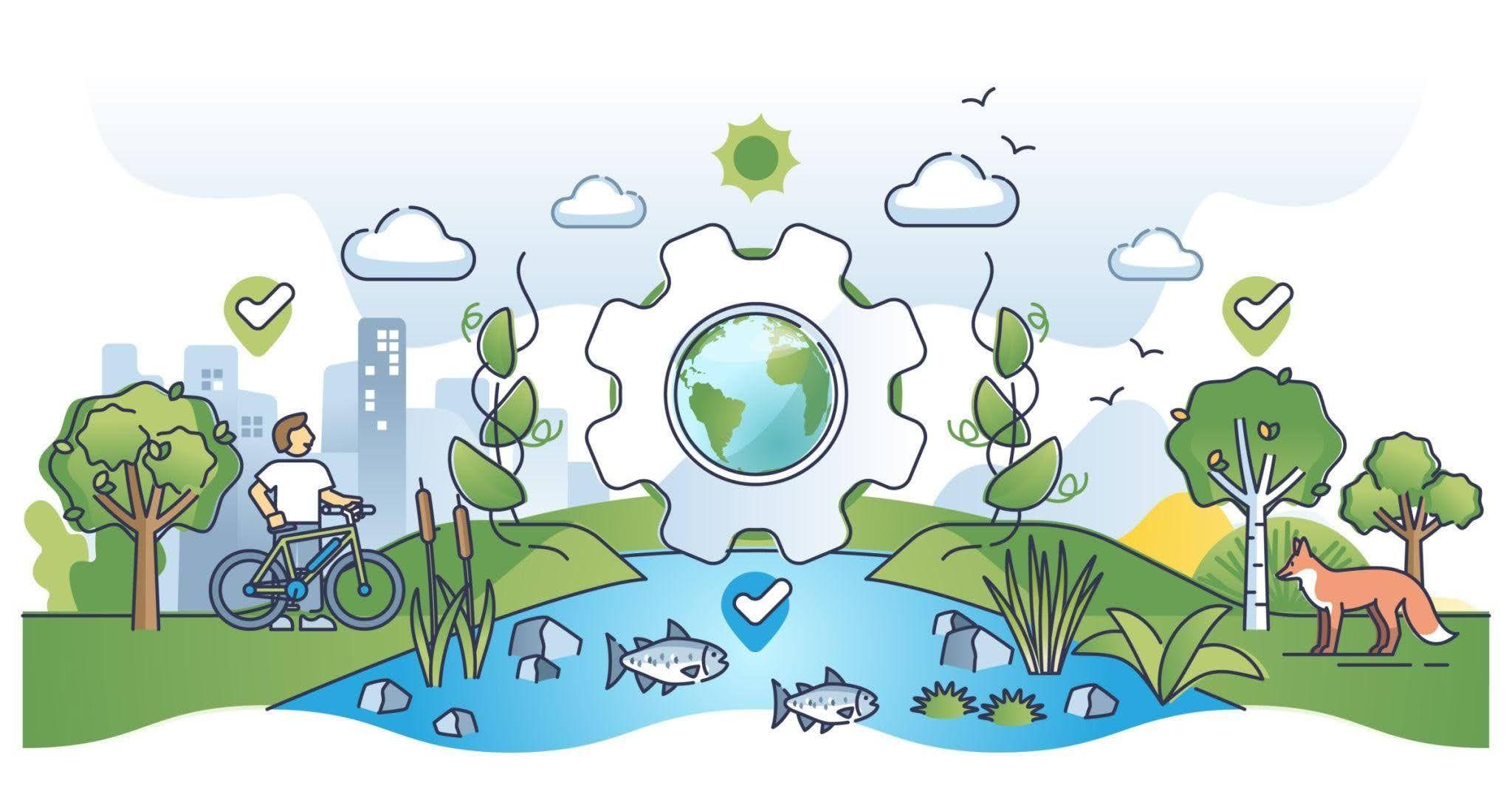
At Darukaa, impact assessment is designed as an integrated environmental intelligence infrastructure rather than a reporting exercise. Climate, biodiversity, and ecosystem signals are connected within a unified analytical framework to support continuous environmental decision-making.
Darukaa integrates multiple environmental layers to move beyond isolated indicators. Climate intelligence evaluates risks such as heat stress, drought, and flooding, while biodiversity intelligence tracks ecological indicators including species richness, abundance, and threat exposure. Ecosystem health is assessed through metrics such as NDVI, habitat condition, and landscape fragmentation.
These signals are analysed as interconnected systems rather than independent datasets.
The platform combines multiple data sources into a continuously evolving monitoring framework, including:
- Satellite remote sensing for vegetation health, land cover, and fragmentation analysis
- Field and acoustic monitoring for ecological activity and biodiversity detection using indices such as ACI and ADI
- Geospatial intelligence for mapping site conditions, ecosystem boundaries, and landscape-scale dynamics
The result is location-specific environmental intelligence rather than aggregated reporting. Insights remain tied to individual sites and assets, enabling comparison across regions, identification of high-risk areas, and clearer understanding of ecosystem conditions where interventions occur.
Equally important is the temporal dimension. Darukaa supports continuous monitoring and dynamic analysis, enabling organisations to track ecosystem health, biodiversity activity, and environmental change across daily, seasonal, and long-term timescales. Climate projections are analysed across future horizons extending from 2030 to 2090, while ecological indicators are monitored through trend analysis and measurable change detection.
This is where impact becomes operationally understandable. Instead of focusing only on outputs or short-term outcomes, environmental changes are translated into decision-relevant insights that support risk prioritisation, intervention planning, and resource allocation.
Darukaa functions not as a reporting layer, but as a multi-dashboard environmental intelligence platform integrating carbon, biodiversity, and climate systems into a unified, decision-integrated framework.
Impact is defined not by what is reported, but by what actually changes.
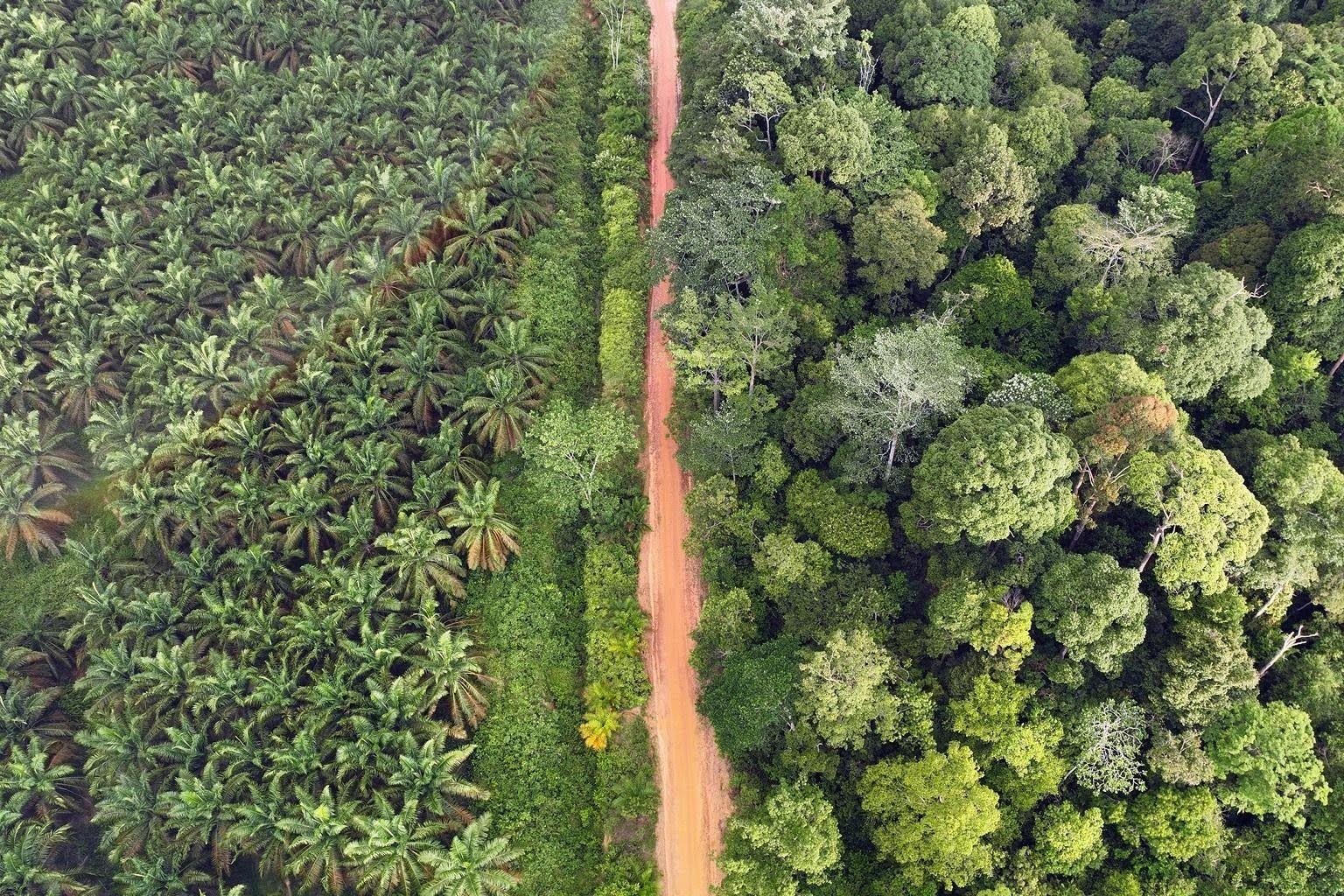
Impact assessment is increasingly entering a phase where stakeholders are evaluating not only what is measured, but what those measurements genuinely represent.
Numbers and indicators alone are no longer sufficient. Credibility increasingly depends on whether reported outcomes reflect sustained and meaningful change over time.
This shifts the focus:
- From measuring activity
- To understanding outcomes
- To enabling decisions
In the end, real impact is not defined by what you report, but by what actually changes—and whether that change lasts.
FAQs
1. What is impact assessment?
Impact assessment is the process of evaluating whether a project or intervention creates real, measurable change in environmental or social systems, beyond just reporting activities or outputs.
2. What is the difference between output, outcome, and impact?
Outputs are immediate activities like trees planted or people trained. Outcomes reflect short-term changes such as improved soil or income. Impact refers to long-term, sustained transformation in systems.
3. Why do many impact assessments fail to measure real impact?
Many assessments focus on easily measurable indicators like outputs and short-term outcomes, rather than tracking long-term changes, system effects, and sustained impact.
4. What does “impact beyond compliance” mean?
It means moving beyond reporting requirements and metrics to understand whether interventions are creating meaningful, lasting change in real-world conditions.
5. Why is measuring real impact difficult?
Real impact takes time, depends on multiple factors, and requires long-term data, context, and system-level understanding rather than isolated indicators.
6. What is the attribution problem in impact assessment?
The attribution problem refers to the challenge of determining whether observed changes are actually caused by a specific intervention or influenced by external factors like climate, markets, or policy.
7. How can organisations measure real impact more effectively?
They can track outcomes over time, use better baseline data, integrate environmental and social signals, and design measurement systems that support decision-making rather than just reporting.
8. Why is long-term monitoring important in impact assessment?
Because real impact unfolds over time. Short-term assessments often miss whether changes are sustained, scalable, or resilient under changing conditions.
9. How does impact assessment support better decision-making?
When designed properly, impact assessment provides insights into what works, what doesn’t, and where to allocate resources for maximum long-term impact.
10. Is impact assessment only for compliance or reporting?
No. While often used for compliance, its real purpose is to evaluate effectiveness, improve interventions, and guide strategic decisions.