Environmental Impact Assessment in the Age of Digital Monitoring
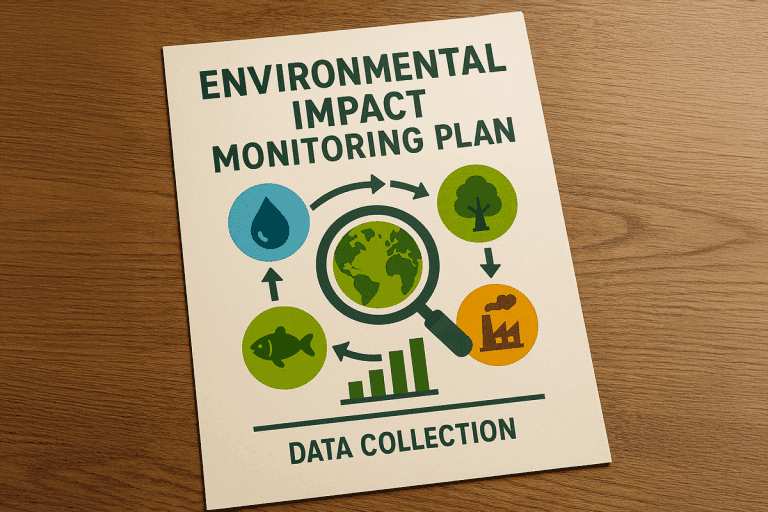
Environmental Impact Assessment (EIA) has always focused on anticipating how a proposed project may influence land, water, air, ecosystems, and surrounding communities before development begins. At its core, EIA integrates ecological understanding into planning so that environmental consequences are considered before they become irreversible.
However, the environments being assessed today are dynamic rather than static. Climate variability, increasing land-use pressure, and overlapping development activities mean that ecological conditions continue to evolve over time. A river sampled once cannot represent its long-term behaviour, and a forest observed in a single season cannot reflect its full ecological cycle. In such situations, relying only on isolated observations limits the effectiveness of assessment.
Digital monitoring does not change the purpose of Environmental Impact Assessment but enhances its depth by enabling continuous observation. It allows EIA to function as an evolving system rather than a one-time prediction.
What Environmental Impact Assessment is actually trying to measure
Environmental Impact Assessment is often associated with regulatory compliance, but its actual role is diagnostic. It aims to understand how environmental systems respond to disturbances and whether those responses remain within acceptable thresholds.
In practice, EIA considers multiple interconnected components where changes in one element influence others. These relationships can be understood through UNEP:
- Land cover changes affecting hydrological processes
- Hydrological changes influencing habitat conditions
- Habitat conditions determining biodiversity resilience
- Environmental changes impacting human exposure and livelihoods
In the Indian context, this diagnostic role becomes more significant because most projects operate within already stressed environments. Baseline conditions are often transitional rather than pristine, which means EIA is less about preventing initial impact and more about managing cumulative environmental pressure across space and time.
Environmental systems typically degrade gradually rather than collapsing suddenly, making continuous understanding essential for accurate assessment.
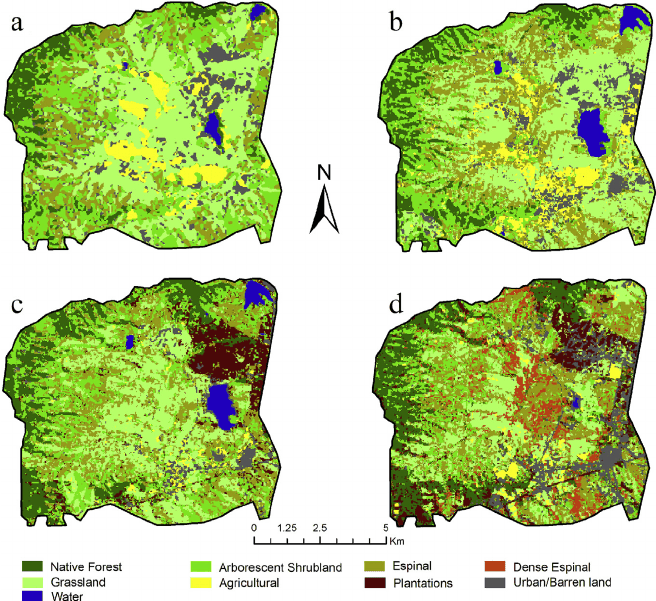
Source: Research Gate
Why traditional Environmental Impact Assessment struggles with time
Traditional EIA approaches are structured around baseline conditions, where data collected at a specific time is assumed to represent normal environmental behaviour. Predictions are then developed based on this limited dataset.
In India, this approach faces challenges due to strong seasonal variability. Monsoon-driven hydrology, air quality fluctuations, and migratory biodiversity patterns mean that short-term surveys capture only partial environmental conditions. Landscapes evolve continuously, making static baselines insufficient to capture their true temporal dynamics.
This limitation does not indicate incorrect methodology but highlights a lack of temporal continuity in environmental observation.
How Environmental Impact Assessment works in India today
Environmental Impact Assessment in India is governed by the EIA Notification under the Ministry of Environment, Forest and Climate Change MoEFCC. The process includes scoping, baseline data collection, impact prediction, public consultation, and environmental clearance.
While the regulatory framework is comprehensive, its implementation is largely concentrated in the pre-approval stage. Data collection is most intensive during appraisal, after which monitoring becomes periodic and focused on compliance rather than continuous ecological tracking.
This results in a structural gap where:
- Environmental understanding is strongest before project approval
- Monitoring reduces significantly during construction and operation
As a result, EIA functions more as a front-loaded assessment rather than a lifecycle-based monitoring system.
Digital monitoring as a continuation of Environmental Impact Assessment
Digital monitoring extends the capabilities of Environmental Impact Assessment by enabling continuous and large-scale observation. It integrates satellite data, sensor networks, and geospatial analysis to track environmental changes over time.
This approach improves EIA in several ways:
- Baselines can be updated dynamically instead of remaining fixed
- Long-term environmental trends become visible through NASA data
- Air and water quality can be monitored continuously rather than periodically
Satellite observations allow consistent monitoring of vegetation, land use, and surface conditions, while ground-based sensors provide ongoing environmental data. Together, these systems make it possible to observe patterns rather than isolated measurements.
For Indian projects, where environmental conditions are highly variable and site access may be limited, this continuity improves the reliability of assessment.
Rethinking biodiversity through continuous signals
Biodiversity assessment has traditionally been challenging because it depends on short-term field surveys. Many species are not detected during these surveys simply because they are not present or visible at that time.
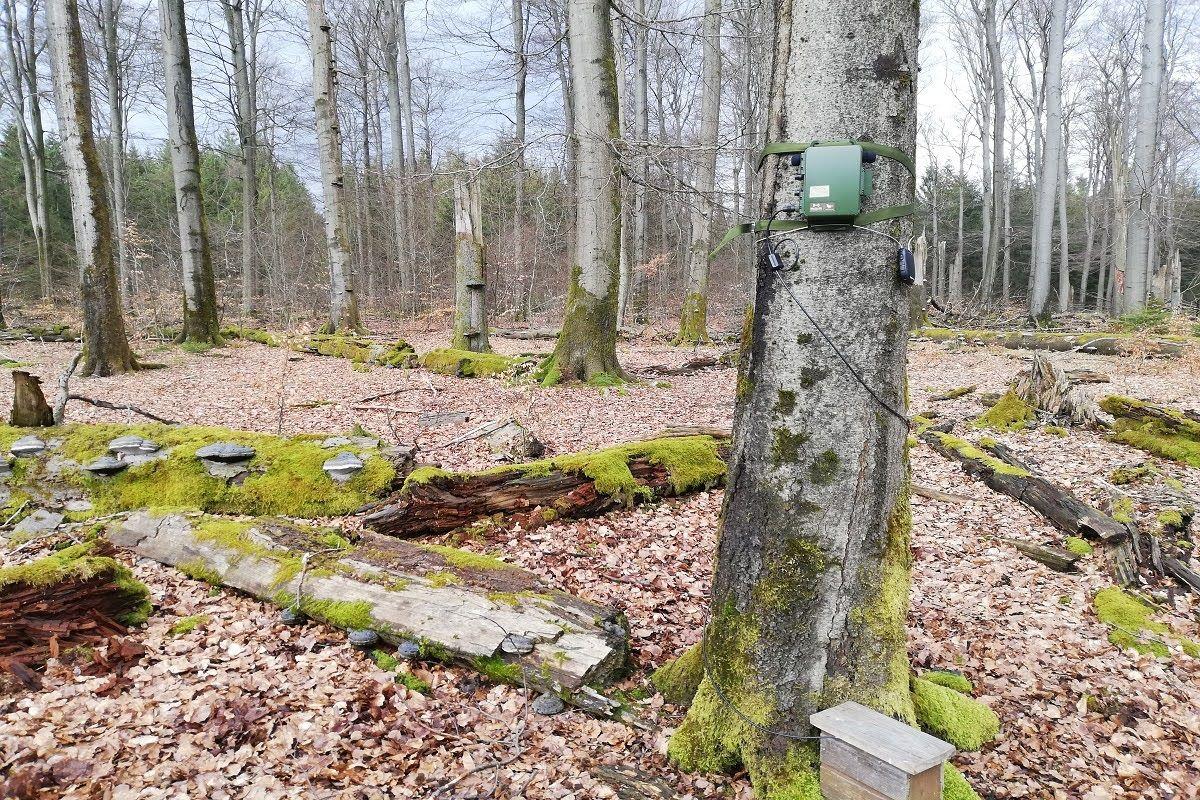
In ecosystems such as forest corridors, wetlands, and coastal areas, biodiversity patterns are highly seasonal. Technologies such as acoustic monitoring and camera-based systems help capture ecological activity over longer periods. These tools make it possible to observe ecosystems continuously without interfering with natural processes.
This approach changes biodiversity assessment from a static checklist into a dynamic understanding of ecosystem behaviour, making EIA more sensitive to ecological changes. This perspective aligns with conservation approaches emphasised by IUCN, where ecosystems are understood as dynamic systems rather than fixed inventories.
Seeing impacts beyond project boundaries
Environmental systems operate at a landscape scale rather than within defined project boundaries. Rivers connect upstream and downstream regions, species move across ecological corridors, and climate impacts accumulate across larger areas.
In India, cumulative impacts from industrial zones, mining regions, and infrastructure corridors are common. However, traditional EIAs often assess projects individually, which limits their ability to capture these broader interactions.
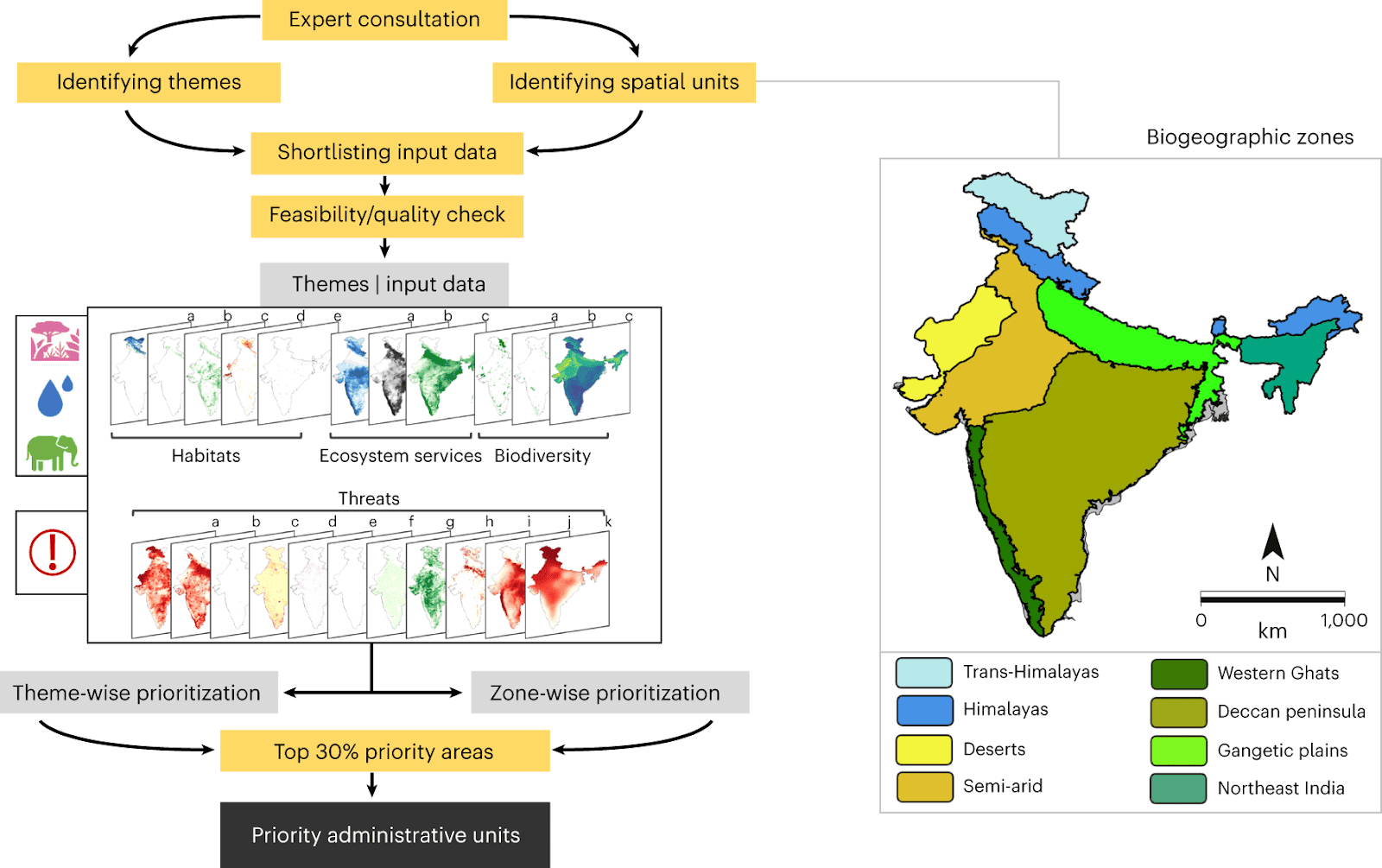
Geospatial analysis enables a more comprehensive approach by integrating multiple environmental layers such as land cover, hydrology, biodiversity, and climate risk, allowing environmental assessment to extend beyond individual sites and reflect landscape-level dynamics.
Environmental assessment can extend beyond individual sites to reflect broader landscape-level dynamics through integrated spatial analysis. This approach is consistent with geospatial frameworks promoted by FAO, which emphasise landscape-level planning and resource management.
From prediction to accountability
Environmental Impact Assessment has traditionally been focused on predicting impacts before project approval. However, monitoring after approval is often limited, which reduces the ability to evaluate actual outcomes.
Digital monitoring strengthens this aspect by enabling continuous tracking of environmental conditions and comparing predicted impacts with real-world data. This allows mitigation measures to be adjusted as needed and ensures that environmental commitments are followed over time.
This shift improves:
- Early identification of environmental risks
- Evidence-based compliance
- Reduction of conflicts with affected communities
As a result, EIA evolves from a predictive tool into a system that supports accountability throughout the project lifecycle. This approach aligns with sustainability and risk management principles reflected in IFC performance standards, which emphasise continuous monitoring and lifecycle responsibility.
Managing uncertainty rather than hiding it
Environmental data always contains some level of uncertainty due to limitations in measurement, sampling, and natural variability. Effective Environmental Impact Assessment does not eliminate this uncertainty but acknowledges and communicates it clearly.
In the Indian context, where data gaps are common, transparency becomes critical. Recognising uncertainty improves credibility and supports more informed decision-making. This approach is consistent with environmental governance principles highlighted by OECD which emphasise transparency, accountability, and evidence-based decision-making.
Why this matters for real decisions
Environmental Impact Assessment influences multiple aspects of development beyond regulatory approvals. It plays a role in infrastructure planning, financial decision-making, insurance considerations, and legal evaluation.
When supported by digital monitoring, EIA becomes a more effective decision-support tool. It enables:
- Early detection of environmental risks
- Adaptive management strategies
- Improved transparency for stakeholders
This strengthens environmental governance while reducing long-term risks for projects.
The future of Environmental Impact Assessment
Environmental Impact Assessment is not being replaced but is evolving with the integration of digital monitoring. It is shifting from a static, one-time evaluation process to a continuous system that adapts to changing environmental conditions.
In this approach, EIA becomes less focused on fixed predictions and more on ongoing observation and learning. It supports a long-term relationship between development activities and ecological systems rather than a single-stage approval process.
For India, where development pressures and environmental constraints intersect, this transition is essential for ensuring sustainable and responsible growth.
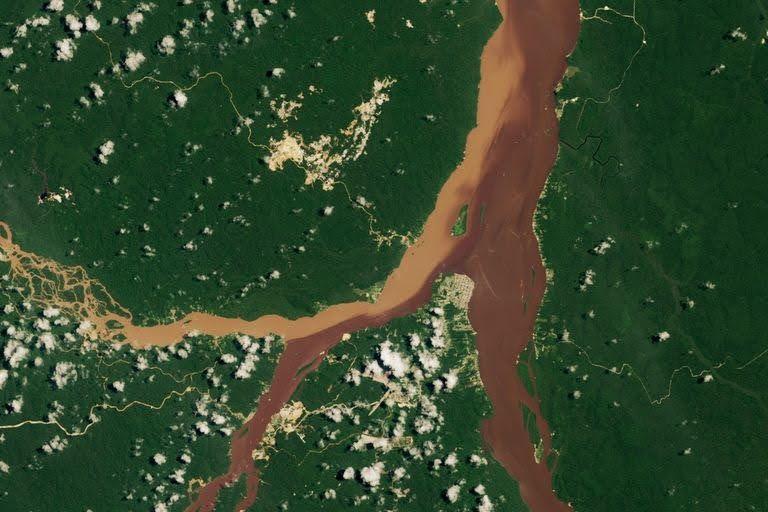
Source: Nasa
FAQS
1. What is Environmental Impact Assessment
Environmental Impact Assessment is a regulatory and planning process used to evaluate how a proposed project may affect land, water, air, ecosystems, and communities before approvals are granted.
2. How does Environmental Impact Assessment work in India
In India, Environmental Impact Assessment is governed by the EIA Notification under the Ministry of Environment, Forest and Climate Change, requiring baseline studies, impact prediction, public consultation, and regulatory clearance.
3. What are the main limitations of traditional EIA in India
Traditional EIAs rely on short-term baseline surveys and often lack post-approval monitoring, making them poorly suited to India’s highly seasonal, cumulative, and climate-sensitive environments.
4. What is digital monitoring in Environmental Impact Assessment
Digital monitoring uses satellites, sensors, and geospatial tools to track environmental conditions continuously, allowing impacts to be observed over time rather than predicted once.
5. Why is digital monitoring important for Indian projects
Indian landscapes experience strong seasonal variation and cumulative impacts. Digital monitoring captures these dynamics better than static surveys, reducing regulatory, legal, and reputational risk.
6. Can digital monitoring replace Environmental Impact Assessment
No. Digital monitoring strengthens Environmental Impact Assessment by extending it beyond clearance into construction and operation, making assessments adaptive rather than static.
7. How does digital EIA improve decision-making
Continuous data allows early detection of environmental stress, comparison between predicted and actual impacts, and adjustment of mitigation measures before damage becomes irreversible.
8. Is digital Environmental Impact Assessment mandatory in India
Digital monitoring is not yet mandatory, but it is increasingly expected by regulators, investors, courts, and communities as scrutiny of environmental performance increases.
9. Who benefits most from digital Environmental Impact Assessment
Project developers gain risk visibility, regulators gain evidence-based oversight, and communities gain transparency into how environmental commitments are being met over time.