Climate Risk Modelling Explained for Businesses and Investors
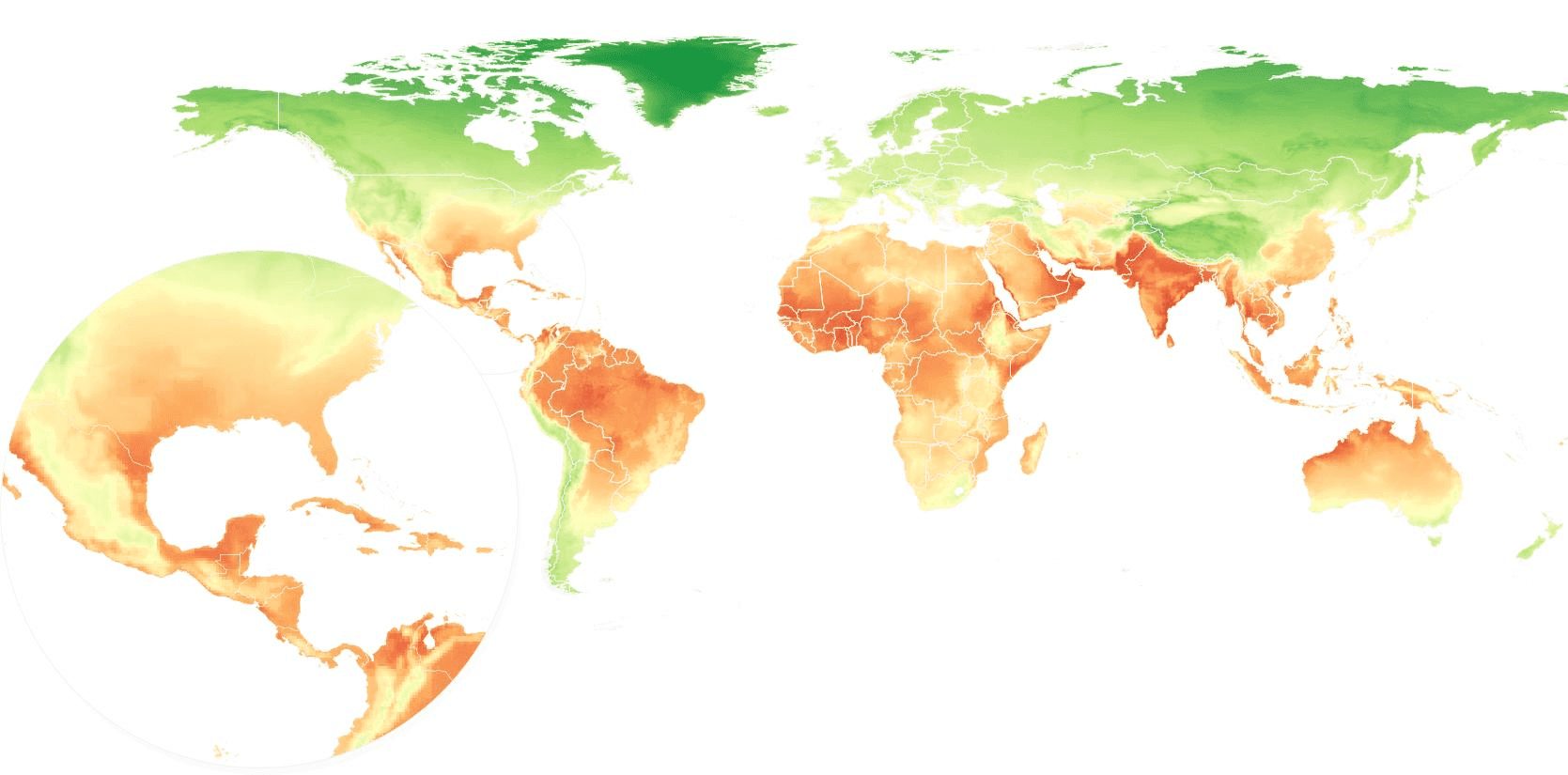
Climate change is no longer a distant environmental concern. It is increasingly shaping how businesses operate, how assets perform, and how investments are evaluated. Rising temperatures are affecting energy efficiency, extreme rainfall is disrupting infrastructure, and water stress is impacting industrial and agricultural systems. These are not isolated incidents but part of a broader pattern that is already influencing financial outcomes.
Frameworks such as the Task Force on Climate-related Financial Disclosures (TCFD) have established that climate risk must be treated as financial risk. However, recognising this shift is only the first step. The real challenge lies in understanding how climate impacts translate into measurable exposure at the level where decisions are made.
This is where climate risk modelling becomes essential.
What Climate Risk Modelling Means
Climate risk modelling is the process of assessing how climate variables such as temperature, rainfall, drought, flooding, storms, and extreme weather events may influence business operations, assets, and financial performance over time.
Traditional environmental assessments typically focus on current conditions or historical impacts. They may identify existing environmental constraints, compliance requirements, or operational risks. Climate risk modelling extends beyond present-day conditions by incorporating future climate projections and scenario pathways to understand how exposure may evolve across different time horizons.
This distinction is important. A conventional assessment may indicate whether a site currently faces flood exposure, while climate risk modelling evaluates how that exposure could change by 2030, 2050, or 2090 under different climate scenarios.
In practice, climate risk modelling helps organisations evaluate physical and transition risks, understand future vulnerability, and translate environmental exposure into operational and financial implications. The objective is not simply to describe climate risk, but to make it usable for planning, investment, resilience, and long-term decision-making.
Why Traditional Risk Approaches Fall Short
Most conventional risk management systems are built on historical data and assume that future conditions will broadly resemble the past. In a changing climate, this assumption is becoming increasingly unreliable.
Extreme weather events are becoming more frequent and intense, while gradual shifts in temperature, rainfall patterns, and water availability are altering long-term operating conditions. As a result, historical averages may underestimate future exposure and provide an incomplete basis for strategic planning.
Another limitation is spatial resolution. Many climate assessments continue to operate at regional or national scales, despite the fact that climate impacts vary significantly across locations. Two facilities within the same region may experience very different levels of exposure due to differences in elevation, drainage characteristics, nearby water bodies, surrounding land use, and ecosystem conditions.
Without site-level climate intelligence, organisations risk underestimating exposure, misallocating resources, or prioritising the wrong adaptation measures.
Climate Scenarios and Projections
A defining feature of climate risk modelling is scenario-based analysis. Climate scenarios allow organisations to explore how risks may evolve under different greenhouse gas emissions pathways and policy responses.
Scientific frameworks developed by the Intergovernmental Panel on Climate Change are widely used for climate projections. These include Shared Socioeconomic Pathways such as SSP2-4.5, SSP3-7.0, and SSP5-8.5.
SSP2-4.5 is often used as a moderate pathway, where emissions stabilise over time but climate risks continue to increase. SSP3-7.0 reflects higher emissions and greater climate stress. SSP5-8.5 represents a high-emissions pathway with more severe warming and physical risk exposure.
By analysing risks across different scenarios and time horizons, businesses can understand a range of possible outcomes rather than relying on a single forecast. This helps organisations plan for uncertainty, identify vulnerable assets, and build strategies that remain resilient under different climate futures.
Physical and Transition Risks
Climate risk is generally divided into physical risk and transition risk.
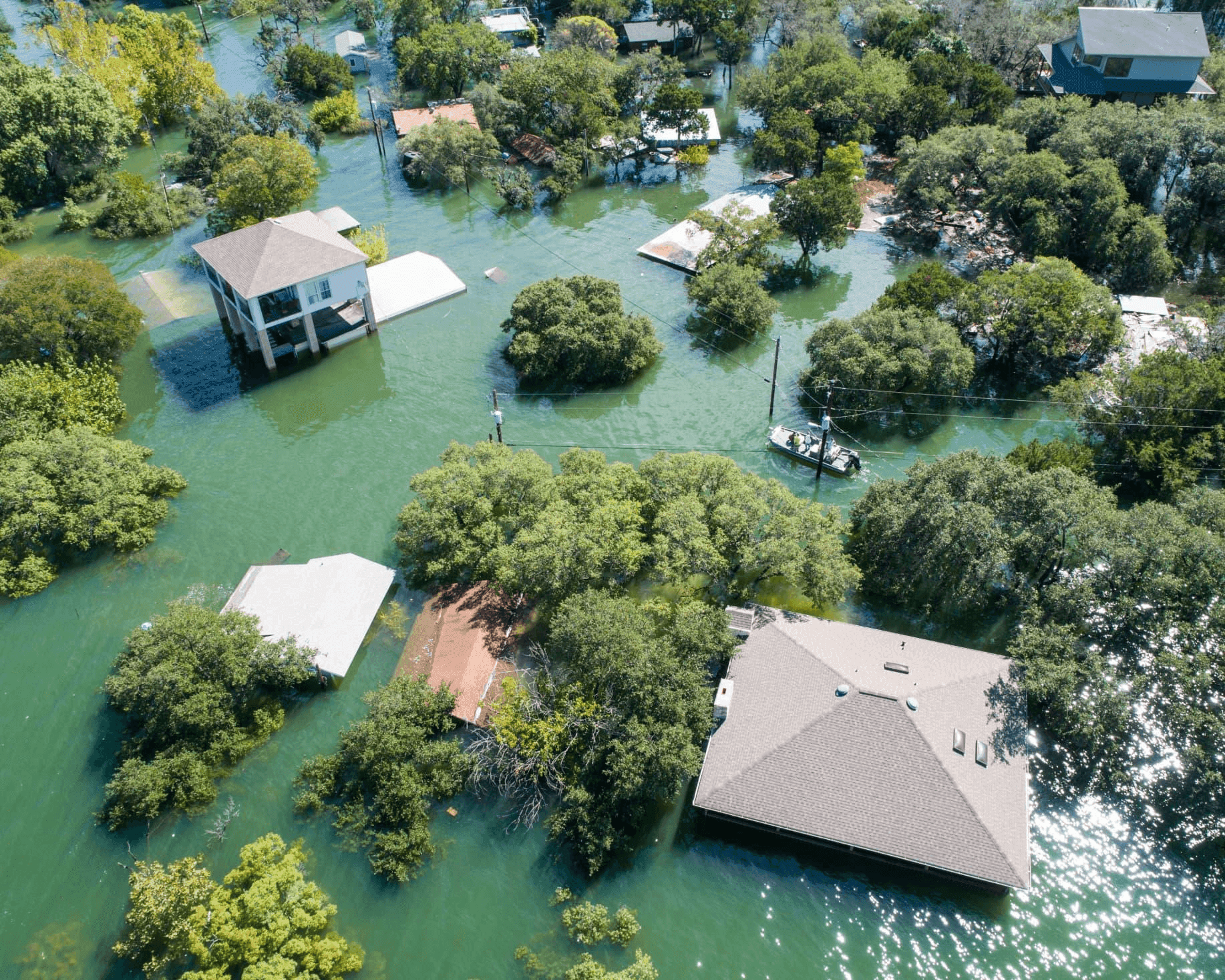
Physical risks are the direct impacts of climate events on assets and operations. These include acute events such as floods, storms, and heatwaves, as well as chronic risks such as rising temperatures, water stress, and long-term shifts in rainfall.
Transition risks arise from the shift toward a low-carbon economy. These may include carbon pricing, stricter disclosure requirements, supply-chain regulations, changing customer expectations, and new technologies that reduce demand for carbon-intensive products.
For example, a manufacturing company may face physical risks from water stress at one facility and transition risks from new emissions reporting requirements across its supply chain. Both risks can affect cost, compliance, and long-term competitiveness.
A strong climate risk model must therefore account for both environmental exposure and the changing regulatory and market context.
Role of Geospatial Intelligence in Climate Risk Modelling
Geospatial intelligence plays a central role in climate risk modelling because climate exposure is inherently location-specific. The same hazard can affect two assets differently depending on geography, land cover, drainage conditions, elevation, surrounding infrastructure, and ecosystem characteristics.
Spatial analysis helps organisations understand where climate risks are concentrated and how exposure varies across assets, facilities, and portfolios. Flood risk, for example, is influenced not only by rainfall intensity but also by terrain, surface runoff, nearby rivers, urban development, and stormwater infrastructure. Similarly, heat exposure is shaped by vegetation cover, urban density, surface materials, and local microclimate conditions.
By integrating climate projections with geospatial intelligence, organisations can assess asset-level vulnerability, identify high-risk locations, and understand the spatial distribution of future climate exposure. This is particularly valuable for businesses managing infrastructure networks, renewable energy assets, industrial facilities, real estate portfolios, or agricultural operations across multiple regions.
For investors, geospatial intelligence provides a clearer understanding of portfolio-level exposure and helps identify where resilience investments may be most effective.
From Climate Data to Business Decisions
The value of climate risk modelling lies in its ability to convert environmental data into actionable business intelligence. Climate datasets alone rarely provide decision clarity. Their usefulness depends on how effectively they are linked to asset performance, operational continuity, and financial outcomes.
The decision flow can be understood as:
Climate data → Risk signal → Operational impact → Financial exposure → Decision
For example, rising temperatures may reduce the efficiency of solar infrastructure while increasing cooling costs for industrial facilities. Changes in rainfall patterns can influence water availability, and increasing flood exposure may lead to asset damage, downtime, and higher maintenance costs.
For example, rising temperatures may reduce the efficiency of solar infrastructure while increasing cooling costs for industrial facilities. Changes in rainfall patterns can influence water availability, and increasing flood exposure may lead to asset damage, downtime, and higher maintenance costs.
By linking climate variables to operational outcomes, organisations can:
- Quantify potential financial exposure
- Identify high-risk assets and locations
- Prioritise investments in mitigation and adaptation
This is where modelling becomes a decision-making tool rather than just a reporting requirement.
Scenario-Based Financial Risk Metrics
Climate risk becomes useful when it is translated into financial impact. Scenario-based metrics estimate how heat, flood, drought, or water stress may affect costs, downtime, productivity, and asset value.
For example, a site may appear manageable under a 2030 scenario but face higher energy demand, productivity loss, or damage risk under a high-emissions 2050 scenario.
Metrics such as Site Risk Score, Productivity Value at Risk, Asset Damage Value at Risk, and Downtime Risk help businesses prioritise capital allocation, insurance planning, and resilience decisions.
The Darukaa Perspective
At Darukaa, climate risk modelling is viewed as more than a forecasting exercise. Its purpose is to transform climate data into site-level intelligence that supports operational, financial, and strategic decision-making.
Darukaa integrates climate projections, geospatial intelligence, remote sensing, and environmental datasets into a unified climate risk framework. Climate models evaluate how hazards such as heat stress, flooding, drought, and rainfall variability may evolve across multiple future horizons, while geospatial analysis examines how those hazards interact with terrain, land use, ecosystem conditions, and asset locations.
This enables organisations to assess site-level exposure, asset vulnerability, and portfolio-wide climate risk with greater precision. Importantly, the system incorporates a temporal dimension. Climate exposure is not static; it evolves as environmental conditions, ecosystems, infrastructure, and land-use patterns change over time.
Through continuous monitoring and time-series analysis, organisations can track changing exposure, identify emerging risks, and adapt strategies proactively. Climate risk insights are then connected to practical decisions such as capital allocation, infrastructure planning, resilience investments, compliance readiness, and long-term asset management.
The result is a decision-oriented climate intelligence system that helps organisations move beyond disclosure and toward risk-informed planning.
Translating Risk into Financial Impact
For businesses and investors, climate risk becomes meaningful when it can be translated into financial consequences. Environmental exposure alone rarely drives decisions unless its impact on performance, costs, and asset value is clearly understood.
Darukaa supports this translation through metrics such as Site Risk Score, Productivity Value at Risk, and Asset Damage Value at Risk. These indicators help quantify how climate hazards influence operational efficiency, asset performance, and long-term resilience.
For example, a facility exposed to increasing flood risk may experience higher maintenance costs, operational disruptions, insurance implications, and potential infrastructure damage. Quantifying these outcomes allows organisations to prioritise adaptation measures, allocate resources more effectively, and evaluate resilience investments based on measurable risk exposure rather than assumptions alone.

Why Investors Are Paying Attention
Investors are increasingly focused on climate risk because it affects portfolio performance. Assets exposed to high physical or transition risk may face reduced returns, increased volatility, higher operating costs, or long-term devaluation.
Climate risk modelling helps investors understand portfolio-level exposure. It shows which assets are vulnerable, how risks may change under different scenarios, and whether companies have credible resilience strategies.
It also helps identify stranded asset risk. Assets that are poorly located, highly exposed, or unable to adapt may lose value over time. On the other hand, assets with strong resilience planning may become more attractive in a climate-constrained economy.
Frameworks such as the Taskforce on Nature-related Financial Disclosures are also expanding investor attention from climate alone to broader nature-related risks. This makes integrated climate and environmental intelligence increasingly important for long-term investment decisions.
From Compliance to Strategy
For many organisations, climate risk modelling initially emerges through regulatory requirements, disclosure frameworks, or investor expectations. However, its greatest value lies beyond compliance.
When integrated into business planning, climate risk modelling becomes a strategic decision-support system. It helps organisations evaluate where investments should be directed, which assets require prioritisation, where adaptation measures are needed, and how long-term resilience can be strengthened.
Climate intelligence can inform infrastructure design, site selection, supply-chain planning, insurance negotiations, and stakeholder communication. By linking environmental exposure with operational and financial outcomes, organisations are better positioned to make decisions that remain effective under a range of future climate conditions.
This shifts climate risk modelling from a disclosure activity to a core component of long-term business strategy and performance management.
The Way Forward
Climate risk modelling is becoming an increasingly important component of business resilience and investment strategy. As climate impacts intensify and expectations from regulators, investors, and stakeholders continue to grow, organisations will require more sophisticated approaches to understanding and managing environmental exposure.
The future of climate intelligence lies in integrating climate projections with biodiversity, ecosystem health, geospatial analysis, and operational performance metrics. This broader perspective enables organisations to develop a more complete understanding of risk and resilience across assets, operations, and portfolios.
Ultimately, the value of climate risk modelling is not limited to forecasting future conditions. Its greatest contribution lies in supporting better decisions, improving resilience, and enabling organisations to navigate an increasingly climate-affected future with greater confidence.
FAQs
1. What is climate risk modelling in simple terms?
Climate risk modelling is the process of analysing how climate change impacts business operations, assets, and financial performance using data and future projections.
2. Why is climate risk modelling important for businesses?
It helps businesses identify climate-related risks such as floods, heatwaves, and water stress, enabling better planning, cost management, and long-term resilience.
3. What are the main types of climate risks?
Climate risks are broadly divided into physical risks, like extreme weather events, and transition risks, such as regulatory changes and market shifts toward a low-carbon economy.
4. How do climate scenarios work in modelling?
Climate scenarios use different emission pathways to project future environmental conditions, helping businesses prepare for a range of possible outcomes.
5. What role does the IPCC play in climate risk modelling?
The IPCC provides scientific frameworks and climate projections that are widely used to guide risk modelling and scenario analysis.
6. How does climate risk affect financial performance?
Climate risks can lead to asset damage, operational disruptions, increased costs, and reduced productivity, directly impacting profitability and valuation.
7. Can climate risk be assessed at a site level?
Yes, advanced modelling techniques allow businesses to analyse climate risks at specific locations, providing more accurate and actionable insights.
8. Why are investors focusing on climate risk?
Investors use climate risk data to evaluate portfolio exposure, manage long-term risk, and make informed capital allocation decisions.
9. How does climate risk modelling support ESG reporting?
It provides measurable, forward-looking insights that improve transparency and align with global frameworks like TCFD and TNFD.
10. How does Darukaa help with climate risk modelling?
Darukaa integrates climate data, geospatial analysis, and risk metrics to deliver site-level insights that help businesses and investors make better decisions.