Biodiversity Credits Explained: Measurement, Verification, and Integrity
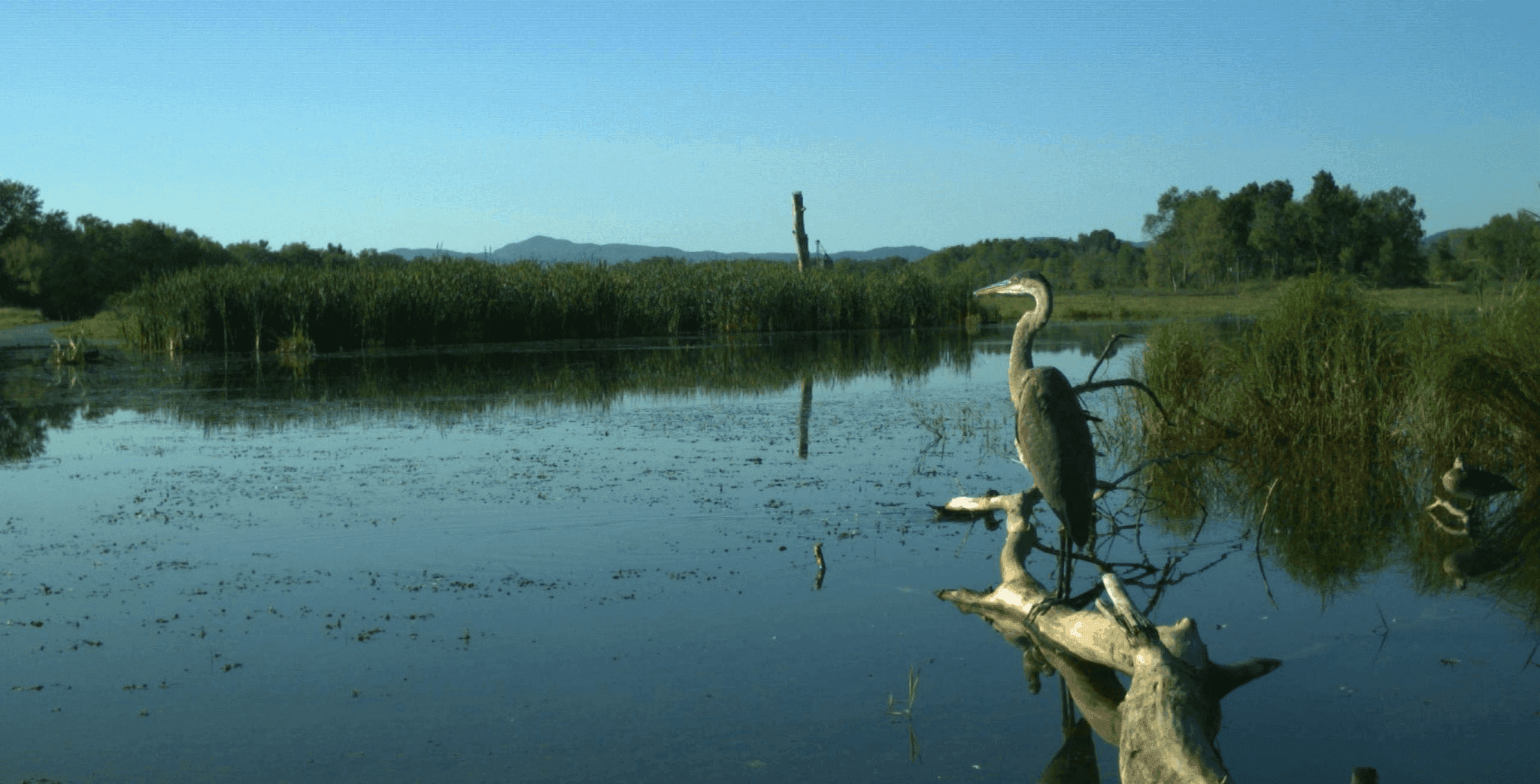
Nature Is Entering the Balance Sheet
For years, environmental markets have focused primarily on carbon. Emissions could be measured, reduced, and converted into tradable units, creating a structured pathway for climate action. This has enabled companies to integrate sustainability into financial systems, not just as a responsibility but as a measurable outcome.
However, climate change does not exist in isolation. The degradation of ecosystems, loss of species, and decline in natural systems are now emerging as equally critical risks. According to insights from the World Economic Forum, more than half of global GDP depends directly on nature and the services it provides. This dependency is no longer theoretical. It is already influencing supply chains, resource availability, and long term business resilience.
As a result, the conversation is shifting. If carbon can be measured and priced, there is growing interest in doing the same for biodiversity. This is where biodiversity credits begin to take shape as a new category of environmental markets.
What Biodiversity Credits Attempt to Solve
Biodiversity credits are financial instruments that represent measurable improvements in ecosystem health, species diversity, or habitat quality. They are usually linked to actions such as ecosystem restoration, conservation, regenerative land use, or habitat protection.
Carbon credits are built around a single metric: tonnes of carbon dioxide equivalent. Biodiversity credits are different. They deal with a multi-dimensional ecological system where species, habitats, soil, water, and ecosystem interactions all matter.
This distinction is important. A carbon project can measure emissions reduced or removed. A biodiversity project must show whether an ecosystem is actually becoming healthier. That may include changes in species richness, habitat connectivity, acoustic diversity, vegetation health, and ecosystem stability.
This makes biodiversity credits more difficult to define, compare, and verify. Their credibility depends on whether ecological outcomes can be measured consistently and transparently.
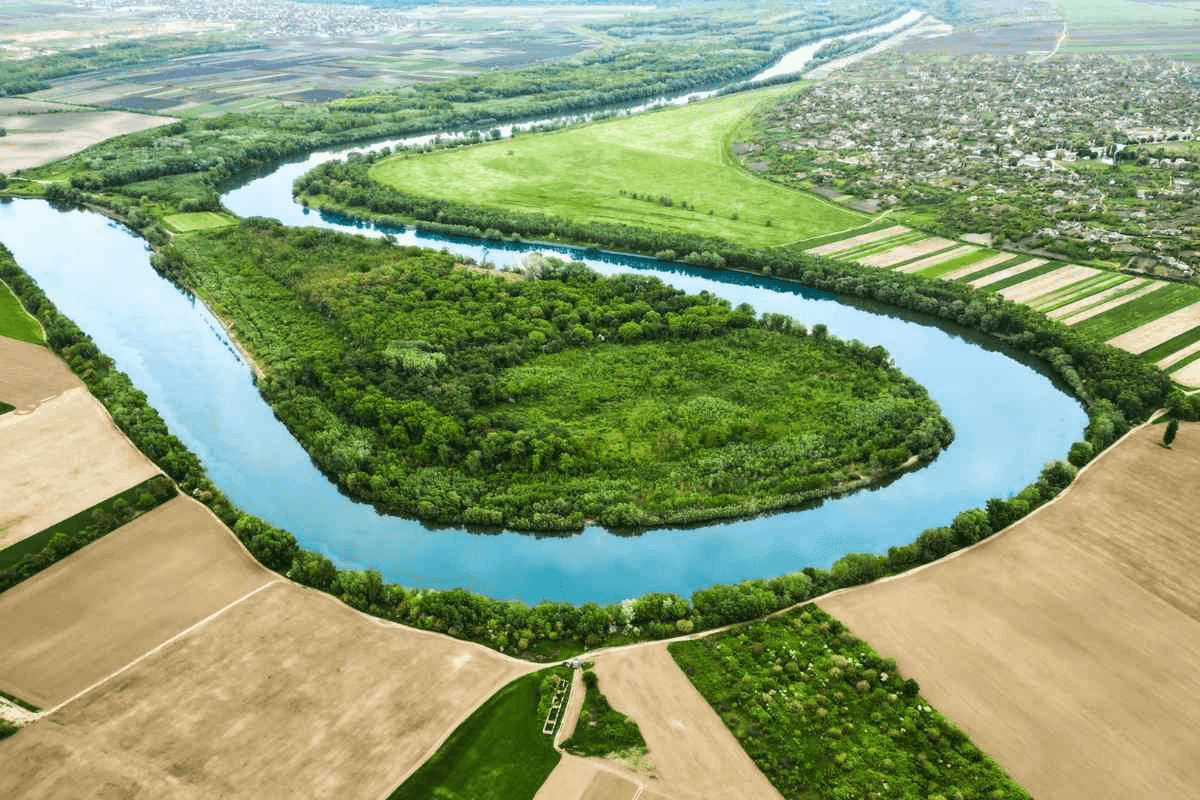
The Measurement Challenge: Why Biodiversity Is Different
Biodiversity presents a fundamentally different measurement challenge compared to carbon. Carbon markets rely on a relatively standardised unit of measurement, while biodiversity reflects a complex ecological system influenced by species interactions, habitat quality, ecosystem processes, and environmental conditions.
A restoration project, for example, may need to monitor multiple indicators simultaneously:
- Species richness to understand how many species are present
- Habitat fragmentation to assess whether ecosystems remain connected or are becoming isolated
- Acoustic diversity to evaluate species activity through ecosystem soundscapes
- Vegetation health to monitor ecological recovery and habitat condition over time
- Ecosystem health indices to combine multiple environmental signals into a more holistic assessment
Traditional ecological assessments remain important, but they are often periodic and constrained by field access, cost, and time. A survey may accurately describe ecosystem conditions at a specific moment, yet it cannot fully capture how biodiversity responds to seasonal variability, climate events, habitat pressures, or long-term environmental change.
For biodiversity credits to function credibly, measurement must evolve from isolated assessments toward continuous ecosystem understanding.

Verification: Moving Beyond Static Validation
Verification determines whether a biodiversity credit can be trusted. In carbon markets, standards such as Verra and Gold Standard have established structured systems for validation and assurance. Biodiversity credits will require a similar level of credibility, but with significantly greater ecological complexity.
A biodiversity project may demonstrate positive ecological outcomes during one assessment period, but those outcomes must be sustained over time. Species activity can fluctuate, habitats can degrade, and external pressures can alter ecological trajectories. As a result, verification cannot rely solely on one-time assessments.
Effective biodiversity verification requires continuous monitoring, audit-ready datasets, and long-term traceability. The objective is not only to demonstrate that ecological improvement occurred, but also to show when it occurred, where it occurred, and whether those improvements were maintained. This is where digital monitoring systems become particularly important, as they create transparent records of ecological change rather than relying exclusively on periodic reporting.
Integrity: The Foundation of Market Trust
Integrity is the foundation of biodiversity credit markets. Without integrity, credits become difficult to trust, compare, or scale.
Integrity depends on clear baselines, additionality, permanence, and transparent monitoring. A baseline shows the starting condition of the ecosystem. Additionality proves that the improvement would not have happened without the intervention. Permanence shows whether the benefit can be sustained over time.
This is not only a technical issue. It is also a market issue. Investors and buyers will only trust biodiversity credits if the underlying data is credible. If measurement is weak or verification is unclear, the market risks losing confidence before it matures.
Frameworks such as the Taskforce on Nature-related Financial Disclosures are increasing expectations for measurable, comparable, and decision-useful nature-related data. Biodiversity credits will need to align with this direction if they are to become credible financial instruments.
Role of Geospatial Intelligence
Geospatial intelligence plays a critical role in biodiversity credits systems because ecological outcomes are inherently location-specific. A hectare of restored grassland, wetland, forest, or agroforestry system cannot be evaluated independently from the surrounding landscape.
Spatial analysis helps organisations understand where biodiversity improvements are occurring, how habitats are connected, and where environmental risks may influence project outcomes. Geospatial datasets can reveal land-use change, vegetation condition, habitat fragmentation, water stress, and proximity to ecologically sensitive areas.
This broader landscape perspective is important because biodiversity credits cannot depend solely on project-level claims. A project may increase vegetation cover within its boundary, but if surrounding habitats continue to fragment or degrade, the long-term ecological value of those improvements may be limited.
By connecting biodiversity outcomes to place, context, and environmental risk, geospatial intelligence improves transparency, strengthens verification, and provides more meaningful information for project developers, investors, and regulators.
Digital MRV
Digital MRV (Measurement, Reporting, and Verification) is becoming increasingly important within biodiversity credit systems because it enables continuous, evidence-based monitoring at scale.
Rather than relying exclusively on manual documentation and periodic assessments, dMRV integrates multiple environmental data streams including satellite monitoring, bioacoustic sensors, environmental sensors, field observations, AI-driven analytics, and time-series analysis. These systems improve the ability to detect ecological change more frequently and across larger landscapes.
Importantly, dMRV does not replace ecological expertise or field validation. Instead, it strengthens verification by making biodiversity data more consistent, traceable, and audit-ready. Field surveys continue to provide ecological context and validation, while digital monitoring helps organisations understand how ecosystem conditions evolve between site visits.
This hybrid approach is particularly valuable because biodiversity is inherently dynamic. Strong biodiversity credit systems require both scientific field validation and continuous monitoring infrastructure to maintain credibility over time.

The Darukaa Perspective: Making Biodiversity Measurable at Scale
At Darukaa, biodiversity credits are viewed not simply as a financial instrument, but as a framework that requires continuous, credible, and measurable ecological intelligence. The primary challenge is not a lack of interest in biodiversity markets, but the availability of reliable, site-level data capable of supporting measurement, verification, and long-term confidence.
Darukaa integrates multiple environmental data streams into a unified biodiversity intelligence system. Satellite analytics monitor vegetation condition, habitat structure, and land-use change, while bioacoustic monitoring captures species activity through ecosystem soundscapes. Environmental sensors provide additional context on local ecological conditions, including temperature, humidity, and other variables that influence ecosystem performance.
Geospatial intelligence connects these environmental signals to specific sites and landscapes, while time-series analysis tracks how biodiversity indicators evolve over time. This allows organisations to move beyond one-time ecological assessments and develop a continuous understanding of ecosystem health and ecological change.
The result is site-level biodiversity intelligence that supports MRV, verification, reporting, and decision-making. Rather than working with fragmented datasets, organisations gain access to continuously updated environmental insights that improve transparency, strengthen credibility, and support long-term biodiversity outcomes.
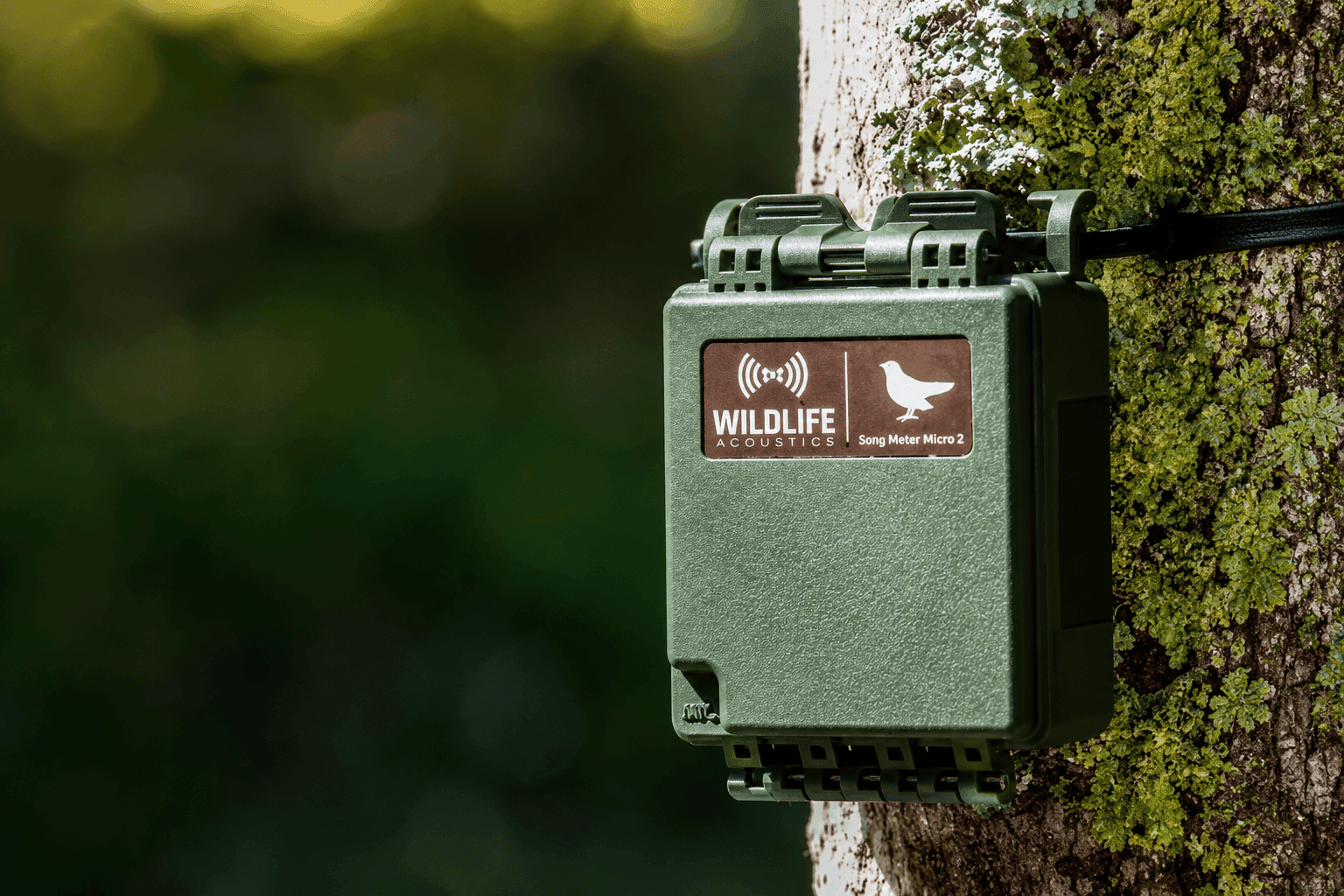
From Measurement to Verifiable Outcomes
Measurement alone does not create value unless outcomes can be verified confidently and consistently. Darukaa’s approach focuses on ensuring that environmental data collected from multiple sources remains structured, traceable, and audit-ready throughout the monitoring process.
Continuous monitoring reduces dependence on assumptions by creating a transparent record of ecological change over time. This improves confidence in biodiversity assessments and supports more reliable validation of outcomes across project lifecycles.
For biodiversity credit systems, this is particularly important because verification must evolve beyond periodic validation cycles. Continuous, evidence-based monitoring strengthens credibility, supports investor confidence, and aligns with growing expectations for measurable and decision-useful nature-related information.
Linking Biodiversity to Financial Decision Making
Biodiversity credits can only scale effectively when ecological outcomes are connected to financial relevance. This does not mean reducing nature to monetary value. Instead, it means understanding how measurable ecosystem improvements influence risk, resilience, and long-term economic performance.
The relationship between biodiversity and financial value is often indirect but significant. Improved habitat quality can support pollinator populations that contribute to agricultural productivity. Enhanced vegetation cover can reduce erosion, improve water retention, and strengthen ecosystem stability. Healthier ecosystems can also reduce regulatory risk, improve project resilience, and increase access to sustainability-linked capital.
The opposite is equally important. Biodiversity decline can create operational and financial consequences. Habitat degradation may delay project approvals, increase environmental liabilities, reduce ecosystem services, or weaken investor confidence.
By translating biodiversity data into measurable indicators of risk and resilience, biodiversity credits can move beyond conservation narratives and become a more credible component of environmental finance.

The Road Ahead: Building a Credible Market
Biodiversity credit markets are still emerging, and many questions remain around standardisation, comparability, and interoperability between frameworks. Different ecosystems require different metrics, which makes it difficult to create one universal biodiversity unit.
This is why the market must be built carefully. Strong standards, transparent monitoring, digital MRV, and credible verification systems will be essential. Without them, biodiversity credits may remain fragmented and difficult to trust.
With the right systems in place, biodiversity credits can unlock investment for conservation and restoration at scale. They can help companies support nature-positive outcomes while giving investors more confidence in the quality of ecological impact.
From Concept to System Level Change
The emergence of biodiversity credits reflects a broader shift in how environmental value is understood and managed. Nature is increasingly recognised not only as a resource or responsibility, but also as a system that directly influences economic resilience, operational continuity, and long-term sustainability outcomes.
Supporting this transition requires new approaches to environmental data—approaches capable of capturing ecological complexity and translating it into actionable intelligence. This means moving beyond isolated indicators toward integrated environmental monitoring systems, and beyond periodic reporting toward continuous measurement and verification.
As biodiversity credit markets evolve, their long-term success will depend on the credibility of the systems used to measure, verify, and communicate ecological outcomes. Strong measurement frameworks, transparent monitoring, and reliable verification processes will ultimately determine whether biodiversity credits can support meaningful environmental and financial value at scale.
FAQs
1. What are biodiversity credits?
Biodiversity credits are financial instruments that represent measurable improvements in ecosystem health, species diversity, and habitat quality.
2. How are biodiversity credits different from carbon credits?
Carbon credits measure emissions reduction, while biodiversity credits measure ecological outcomes such as species presence and habitat restoration.
3. Why is measuring biodiversity difficult?
Biodiversity involves multiple factors like species, habitats, and ecosystem interactions, making it more complex than single metrics like carbon.
4. How are biodiversity credits verified?
They are verified through continuous monitoring, ecological data collection, and validation processes that ensure outcomes are real and measurable.
5. What ensures the integrity of biodiversity credits?
Integrity depends on clear baselines, additionality, long term impact, and transparent, verifiable data systems.
6. Are biodiversity credits already in use?
They are emerging globally, with pilot projects and evolving frameworks shaping how these markets will function.
7. What technologies are used to measure biodiversity?
Technologies include satellite imagery, bioacoustics, environmental sensors, and AI based analytics.
8. Can biodiversity credits attract investment?
Yes, credible biodiversity credits can attract capital by linking ecological outcomes to financial value and risk reduction.
9. How do biodiversity credits support businesses?
They help businesses manage nature related risks, improve sustainability performance, and align with global reporting frameworks.
10. How does Darukaa support biodiversity credit systems?
Darukaa provides continuous, site level monitoring using integrated data systems, enabling accurate measurement and verification of biodiversity outcomes.