How Bioacoustics Enhances Wildlife and Biodiversity Monitoring
Listening to Ecosystems
For decades, wildlife monitoring has depended on what researchers could see. Field surveys, camera traps, and direct observations have been used to understand species presence, population trends, and ecosystem health. These methods remain important, but they are limited by visibility, time, and scale.
Many species are difficult to observe directly. Birds may be active only at specific hours, insects are often overlooked, and nocturnal animals remain hidden. In dense forests, wetlands, or remote landscapes, even detailed fieldwork may capture only a portion of actual biodiversity.
At the same time, ecosystems are changing rapidly. Climate variability, habitat fragmentation, and human activity are altering species behaviour and distribution. Global assessments by the Intergovernmental Science-Policy Platform on Biodiversity and Ecosystem Services highlight the speed of biodiversity loss, increasing the need for continuous and reliable monitoring.
This is where bioacoustics becomes powerful. By listening to ecosystems, organisations can convert sound into measurable biodiversity intelligence. Instead of only documenting what is visible, monitoring systems can capture ecological activity that is continuous, hidden, and often missed by traditional methods.

What Bioacoustics Means in Monitoring
Bioacoustics is the study and analysis of sounds produced by living organisms. Within biodiversity monitoring, it involves recording and interpreting natural soundscapes to understand species presence, behaviour, and ecosystem activity over time.
Every ecosystem has a unique acoustic signature. Birds, insects, amphibians, and many mammals produce distinctive sounds that can be detected through acoustic sensors. These recordings create a continuous stream of ecological information, revealing how species activity changes across different times of the day, seasons, and environmental conditions.
Research institutions such as the Cornell Lab of Ornithology have demonstrated that sound-based monitoring can reveal biodiversity patterns that are often missed through visual observation alone.
Acoustic recordings become especially valuable when they are translated into measurable ecological indicators. Repeated species calls can confirm species presence, changes in soundscape complexity may reflect ecosystem condition, and declining biological activity can indicate habitat disturbance, environmental stress, or biodiversity loss.
Rather than simply documenting wildlife, bioacoustics helps transform ecosystem sounds into measurable ecological evidence that supports monitoring, reporting, and decision-making.
Why Traditional Monitoring Misses Critical Signals
Traditional wildlife monitoring is often limited by when and where surveys can be conducted. Field visits usually happen during fixed hours or seasons, which means nocturnal species, seasonal calls, or short-term behavioural changes may go unnoticed.
Manual surveys also depend on human presence and site access, making it difficult to monitor dense, remote, or large landscapes consistently. This can create blind spots in understanding species activity and ecosystem change.
Bioacoustics helps fill these gaps by recording soundscapes passively across mornings, nights, and seasonal transitions. This provides a more continuous view of ecosystem activity without relying only on periodic field observations.
From Sound to Data
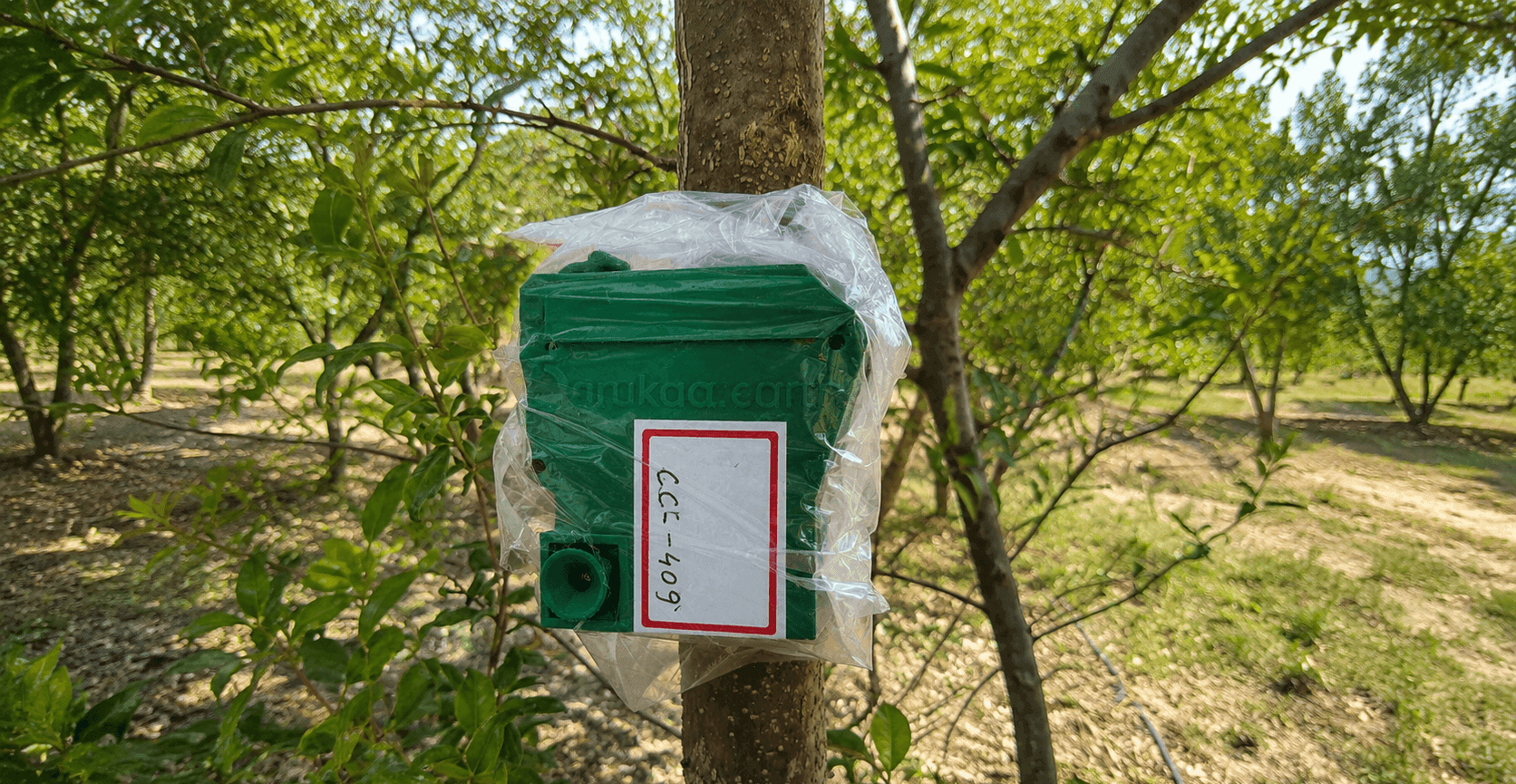
The value of bioacoustics lies not simply in recording environmental sounds, but in converting those recordings into structured ecological intelligence. Acoustic sensors continuously capture ecosystem soundscapes containing biological sounds, environmental noise, and human-generated disturbances. These recordings must be processed before they become meaningful for biodiversity assessment.
Artificial intelligence and machine learning help analyse these large audio datasets by identifying species calls, detecting behavioural patterns, and recognising ecological trends over time. Acoustic indices such as the Acoustic Complexity Index (ACI), Acoustic Diversity Index (ADI), and Normalized Difference Soundscape Index (NDSI) provide quantitative measures of soundscape complexity, biological activity, and anthropogenic disturbance.
A typical bioacoustic workflow includes:
- Recording ecosystem soundscapes through acoustic sensors
- Filtering environmental and anthropogenic noise
- Identifying species or sound groups using AI models
- Calculating acoustic indices and biodiversity indicators
- Analysing temporal trends through time-series monitoring
This process enables organisations not only to detect species but also to understand how ecosystem activity changes over time.
Measuring Biodiversity Through Sound
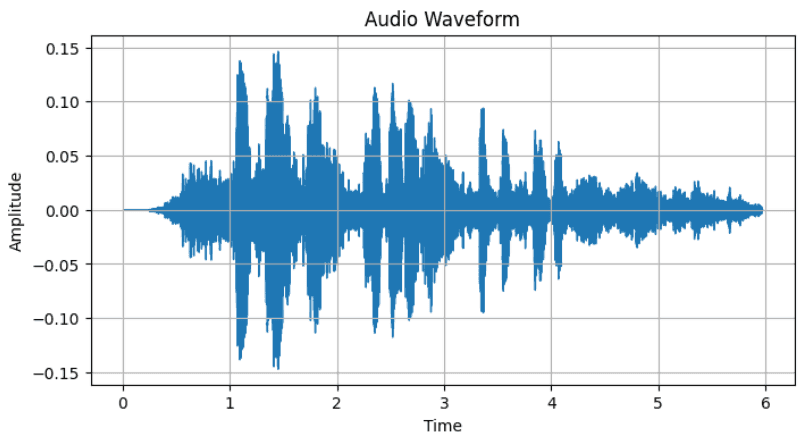
One of the key advantages of bioacoustics is its ability to quantify biodiversity using acoustic indices. These indices provide measurable indicators of ecosystem health based on sound patterns.
Common indicators include:
- Species richness based on the variety of detected sounds
- Acoustic diversity, reflecting the complexity of soundscapes
- Activity levels, indicating how frequently species are present
- Disturbance indicators, showing the influence of human-made noise
For example, a restored habitat may show an increase in detected bird and insect calls over multiple seasons, improved acoustic diversity, and reduced disturbance signals from nearby human activity. These changes provide measurable evidence that ecosystem conditions are improving.
This is particularly important for biodiversity credits and reporting frameworks, where credibility depends on verifiable data rather than broad claims.
The Darukaa Perspective
At Darukaa, bioacoustics is viewed as one component of a broader environmental intelligence framework rather than as a standalone monitoring tool. The objective is to understand how species activity, habitat condition, and ecosystem processes interact over time to support better environmental decision-making.
Darukaa integrates bioacoustic monitoring with geospatial intelligence, satellite imagery, environmental sensors, and field validation. Acoustic sensors continuously record species activity and behavioural patterns, while satellite observations monitor vegetation health, habitat quality, land-use change, and ecosystem fragmentation. Environmental sensors provide additional context on variables such as temperature, humidity, and other site conditions that influence biodiversity.
By combining these complementary datasets, Darukaa creates site-level biodiversity intelligence that links acoustic observations with landscape dynamics and broader ecosystem conditions. Continuous time-series analysis further enables organisations to monitor long-term ecological trends, seasonal changes, restoration progress, and ecosystem responses to environmental pressures.
This integrated approach transforms acoustic recordings into traceable biodiversity records, measurable ecological indicators, and audit-ready datasets that support biodiversity monitoring, conservation planning, TNFD-aligned reporting, and nature-related risk assessment.
From Monitoring to Measurable Outcomes
A key challenge in biodiversity projects is demonstrating that conservation or restoration activities are producing measurable ecological improvements rather than simply documenting implementation.
Bioacoustics supports this by tracking changes in ecosystem sound patterns over time. Continuous monitoring enables organisations to observe whether ecological conditions are improving, remaining stable, or showing signs of degradation.
Measured outcomes may include:
- Increased species activity or detected call frequency
- Higher acoustic diversity across seasons
- Reduced disturbance signals associated with human activity
- Evidence of ecological recovery within restored habitats
Together, these indicators create a continuous evidence base for biodiversity trend analysis, ecological impact assessment, and audit-ready verification. Rather than relying on broad conservation claims, organisations can demonstrate measurable ecological outcomes that strengthen biodiversity credits, restoration programmes, and TNFD-aligned reporting.
Why Continuous Monitoring Matters
Ecosystems change across seasons, climate conditions, and human activity. A single survey can show what was observed at one point, but it cannot capture how biodiversity changes over time.
- Capturing ecosystem change
Traditional ecological surveys provide valuable information at a specific point in time, whereas continuous monitoring tracks how ecosystem conditions evolve across days, seasons, and years. This creates a much richer understanding of ecological dynamics.
- Detecting seasonal and nocturnal activity
Field surveys may miss species that are active only at night or during specific seasons. Continuous bioacoustic monitoring captures these behavioural patterns automatically, providing a more complete picture of biodiversity.
- Supporting validation and long-term analysis
While traditional surveys remain essential for ecological validation, continuous monitoring strengthens long-term trend analysis, early warning, and adaptive management by generating ongoing environmental evidence.
- Improving management decisions
Because ecosystem conditions are monitored continuously, organisations can identify stress signals, species activity shifts, and habitat recovery earlier, allowing conservation actions to be prioritised more effectively.
Bioacoustics strengthens this approach by recording ecosystem soundscapes continuously across large landscapes, helping organisations detect biodiversity change with greater consistency and confidence.

From Ecological Signals to Decision Intelligence
Bioacoustics creates the greatest value when ecological information supports practical decision-making rather than remaining as observational data alone. Species activity, acoustic diversity, disturbance levels, and habitat context can help organisations identify ecosystem risks, prioritise interventions, and evaluate the effectiveness of conservation actions.
For example, declining acoustic diversity combined with geospatial evidence of habitat fragmentation may indicate increasing ecosystem stress, guiding restoration planning or habitat management. Conversely, improving species activity together with healthier habitat conditions can provide evidence that ecological interventions are producing positive outcomes.
By translating ecosystem sounds into measurable indicators of biodiversity condition and environmental risk, bioacoustics becomes an important decision-support tool for biodiversity impact assessment, conservation planning, ecosystem resilience, and nature-related risk management.
Linking Bioacoustics to Business and Policy
Bioacoustics is no longer limited to academic research. It is becoming relevant for businesses, investors, and policymakers.
Companies in infrastructure, energy, agriculture, and land-based sectors are increasingly expected to understand their biodiversity impact. Poor ecosystem health can create biodiversity-related operational risks, approval delays, reputational concerns, and long-term resilience issues.
For investors, biodiversity data can support resilience-based investment decisions. A project that shows improving ecosystem health through measurable acoustic and habitat indicators may offer stronger evidence of long-term environmental performance.
Bioacoustics also supports TNFD-aligned biodiversity intelligence by providing continuous, verifiable data on ecosystem activity. This makes it useful for reporting, risk management, and policy decision-making.
The Way Forward
Bioacoustics represents an important evolution in biodiversity monitoring by enabling continuous, non-invasive, and evidence-based observation of ecosystem activity. As monitoring technologies continue to advance, the greatest value will come from integrating bioacoustics with satellite observations, geospatial intelligence, environmental sensing, and ecological field validation.
This integrated approach enables organisations to move beyond isolated observations and develop a more comprehensive understanding of ecosystem health, biodiversity trends, and environmental change. As expectations for biodiversity reporting, TNFD alignment, and measurable ecological outcomes continue to grow, continuous and scientifically robust monitoring systems will become increasingly important.
Ultimately, the value of bioacoustics lies not only in recording ecosystem sounds, but in transforming those sounds into reliable environmental intelligence that supports stronger conservation outcomes, better biodiversity decisions, and more credible reporting.
FAQs
1. What is bioacoustics in biodiversity monitoring?
Bioacoustics uses sound recordings to detect species presence and analyse ecosystem activity in real time.
2. How does bioacoustic monitoring work?
It records environmental soundscapes and uses AI to identify species based on their acoustic signatures.
3. Why is bioacoustics important for wildlife monitoring?
It enables continuous, non-invasive monitoring and captures species that are difficult to observe visually.
4. What species can be detected using bioacoustics?
Birds, insects, amphibians, and some mammals can be identified through their unique sound patterns.
5. How does AI improve bioacoustic monitoring?
AI processes large audio datasets to classify species, detect patterns, and track biodiversity changes over time.
6. Can bioacoustics measure biodiversity accurately?
Yes, it uses acoustic indices to quantify species diversity, richness, and ecosystem activity.
7. Is bioacoustics better than traditional monitoring methods?
It complements traditional methods by providing continuous, scalable, and data-driven insights.
8. How does bioacoustics support biodiversity credits?
It provides measurable and verifiable data needed to validate ecological outcomes and impact.
9. Can bioacoustic monitoring be used at scale?
Yes, it can monitor large landscapes continuously with minimal human intervention.
10. How does Darukaa use bioacoustics?
Darukaa integrates bioacoustics with satellite and field data to deliver continuous biodiversity intelligence.